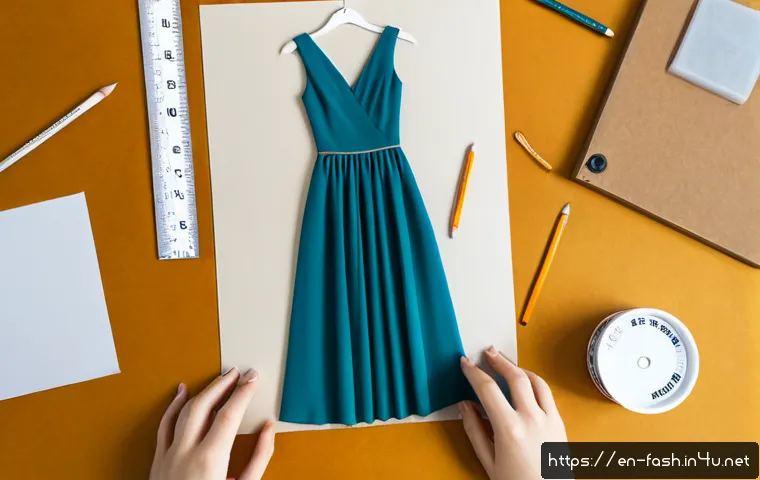
Build fashion design practical skills with a focused practice routine, material comparisons, timing methods, and portfolio-ready presentation tips. Learn when better tools, classes, or feedback may be worth the cost.

The fastest way to improve fashion design practical work is to repeat a clear sequence under timed conditions: develop an idea, test silhouettes, draw the final look, add garment details, and clean up the page. Focus first on proportion, readable silhouettes, and presentation clarity before spending heavily on premium markers or coaching. The right supplies can make line control and blending easier, but reliable practice habits matter more than owning every art material. Classes, portfolio coaching, and critique services can be useful when they give specific feedback on weaknesses such as composition, construction logic, or fashion proportions. Check the requirements for your own school, exam board, or course before changing your materials or practice format. A simple routine makes it easier to see what is slowing you down and what needs the next round of practice.
At a Glance
- Practice in stages: separate idea development, figure drawing, garment detail, color rendering, and final presentation.
- Use timed sessions: they reveal which part of your process takes too long and needs a simpler method.
- Choose support carefully: buy supplies, courses, or portfolio feedback based on a specific need rather than pressure to upgrade everything.
| Practice Option | Cost Commitment | Feedback Depth | Best Fit |
|---|---|---|---|
| Self-study | Usually the lowest upfront commitment | Self-evaluation unless you seek outside critique | Students who can set goals, review work, and practice consistently |
| Group fashion design class | Varies by provider and schedule | Shared instructor feedback and peer comparison | Students who benefit from structure and regular deadlines |
| One-to-one portfolio coaching | Often a higher commitment than group learning | More targeted feedback on individual work | Applicants with a clear portfolio goal or a specific recurring weakness |
| Portfolio review service | Can be a one-time or limited commitment | Most useful when comments address clear assessment criteria | Students who need an outside view before revising selected pages |
What Improves Fashion Design Practical Work Most Quickly?
Improvement usually comes from making your practice repeatable and measurable. A beautiful page is useful, but a practical assessment or portfolio process also asks whether you can develop an idea, make design decisions, and communicate them clearly. Work on one skill at a time before expecting every practice page to solve every problem.
Start Each Practice Session With One Measurable Goal
Choose one goal that you can check at the end of the session. For example, your goal might be clearer fashion proportions, more readable sleeves and seams, a limited color palette, or faster silhouette thumbnails. “Make a better drawing” is too broad. “Create six distinct silhouettes from one theme” gives you a clear finish line.
Keep a brief note beside each finished practice page. Record what felt slow, what looked unclear, and what you would change first. Over repeated timed practice, these notes can show whether you lose time during research, sketching, coloring, or final cleanup.
Use a Repeatable Sequence: Research, Thumbnails, Final Figure, Garment Detail, Presentation
A consistent sequence prevents you from jumping straight into rendering before the design works. Begin with research that informs an original direction. Look for shapes, textures, construction ideas, mood, and color relationships, then translate those observations into your own choices. Reference research should guide your decisions, not become something to copy directly.
Next, make small silhouette thumbnails. A clear silhouette is generally easier to evaluate than a figure covered in decorative details. Once one or two directions feel stronger, move to a final fashion figure, clarify the garment structure, and then add color or texture. Finish by checking the page as a complete presentation rather than only admiring individual details.
Build a Timed Practice Schedule Instead of Drawing Until the Page Feels Finished
Drawing until a page “feels finished” can hide inefficient habits. Set a practice time that suits your current assignment, then divide it into stages: planning, thumbnails, final drawing, garment details, color, and cleanup. The exact time limit for an exam or course may differ, so confirm the official requirements before treating any practice schedule as exam preparation.
If rendering always consumes too much of the session, simplify your technique for the next round. If proportions repeatedly drift, give more time to the figure before adding color. The goal is not to rush every stage. It is to understand where your time goes and make deliberate adjustments.
Compare Practice Methods, Materials, and Feedback Options
The best investment depends on the bottleneck in your work. Buying professional-grade markers may help if inconsistent color application is slowing you down. It will not automatically solve weak composition, unclear garment construction, or a lack of design development. Choose art supplies and learning support after identifying the skill that needs attention.
Self-Study Versus Group Classes Versus One-to-One Portfolio Coaching
Self-study can be a practical choice when you have a clear brief, access to suitable reference material, and the discipline to review your own pages. It works especially well for repeated exercises such as gesture drawing, fashion illustration proportions, thumbnail generation, and color tests.
Group fashion courses may suit learners who need a regular schedule and the chance to compare different approaches. Look for a course that explains why a page is working or not working, rather than offering only general praise. Feedback connected to proportion, composition, garment construction logic, or presentation clarity is more actionable.
One-to-one portfolio coaching may be worth considering when your portfolio goal is specific and you need focused revision advice. Before choosing a tutor or review service, check whether they discuss your brief, process pages, and practical weaknesses. A useful critique should leave you with clear next actions, not simply a list of preferences.
Budget Supplies Versus Professional-Grade Markers, Pencils, and Paper
Budget art supplies can be enough for regular practice, especially while you are building confidence with line, proportion, and basic garment shapes. They can help you test whether a medium suits your hand before you commit to a larger set of fashion illustration materials.
More durable or professional-grade markers, pencils, and paper may offer benefits in line control, blending, color consistency, and reliability. They may also behave more predictably when you layer color or revise details. However, the best option is the material you can control consistently under practice conditions.
Test a small selection before changing your full setup. Make a line test, a blended color test, a skin-tone or fabric-rendering test if relevant to your work, and a correction test. Also check whether the paper handles your chosen medium without making cleanup harder. Most importantly, verify which supplies are permitted for your own assessment.
When Paying for Critique or a Course May Provide Better Value Than Buying More Materials
Consider feedback before more supplies when you already have workable materials but cannot identify why your pages feel weak. A portfolio review may be more useful if your silhouettes are repetitive, your layouts feel crowded, or garment details do not communicate construction clearly.
Consider a course when the issue is structure: you struggle to maintain a routine, do not know how to respond to a brief, or need regular exercises in design development. Consider new materials when your existing tools actively limit your process, such as unreliable blending, difficult line control, or paper that does not suit your chosen medium. Neither option guarantees a stronger result; value depends on how closely it addresses your actual need.
Build a Timed Fashion Illustration Practice Routine
A practical routine should move from loose decisions to precise ones. Start broadly, narrow the concept, and save enough time for the page to look intentional. This sequence makes it less likely that you will spend most of the session perfecting one small detail.
Warm Up With Gesture Drawing and Fashion Proportions
Use a short warm-up to loosen your hand and check proportion. Draw quick figures with a focus on balance, direction, and the relationship between the torso, hips, legs, and feet. You do not need to turn every warm-up into a finished fashion illustration.
For beginners, this stage can be the main task. A garment will read more clearly when the underlying figure is stable. If the pose is unclear, extra folds, accessories, and shading often make the confusion harder to spot.
Turn a Theme Into Quick Silhouette Thumbnails
Translate your theme into small, fast silhouette ideas before committing to a full figure. Ask simple questions: Is the shape fitted, oversized, layered, cropped, elongated, structured, or fluid? How does the garment relate to the concept without relying on a copied reference?
Create enough variation to compare options. Then choose the silhouette with the strongest overall read and develop it further. This is often more effective than decorating the first idea that comes to mind.
Reserve Time for Rendering, Labels, and Final Page Cleanup
Rendering should support the garment, not hide it. Use color, shading, and texture to make seams, volume, drape, or material changes easier to understand. Add labels only when they clarify a design feature, fabric idea, or construction detail.
Leave a final review period. Check that the title, figures, details, swatches, and notes have enough breathing room. A page with controlled spacing often communicates better than one filled edge to edge. Cleanup is not an afterthought; it is part of presentation clarity.
Avoid Common Presentation and Design Mistakes
Most common mistakes are easier to prevent than to repair. Build a short checking habit into every timed session so that you can catch problems while there is still time to simplify or correct them.
Do Not Let Rendering Hide Weak Garment Construction
Detailed markers, textured pencil work, and dramatic color can make a page feel polished, but they cannot replace visible construction logic. Before rendering, check whether the neckline, fastening area, seams, panels, hems, and sleeve shape make visual sense. You do not need to show every technical detail, but the garment should read as something with a clear form.
Keep Color Palettes Intentional and Easy to Read
Choose color for a reason: to support the concept, separate layers, or clarify material contrast. A limited palette can be easier to control during timed work than many unrelated colors. Test color combinations early, especially if you are using markers or pencils that may blend differently on your chosen paper.
Avoid adding color simply because empty space feels uncomfortable. White space can help the viewer understand the figure and the design details more quickly.
Check Balance, Spacing, Anatomy, and Detail Consistency Before Stopping
Use a final checklist: Does the figure feel balanced? Is the silhouette clear from a distance? Are design details repeated consistently on both sides where needed? Is there enough space between figures and annotations? Do the garment details fit the chosen fabric behavior and overall concept?
If time is short, prioritize corrections that improve readability. A corrected proportion or clearer hemline may matter more than adding another decorative texture.
Adjust Your Practice for Your Current Skill Level
Your routine should match your present skill level. Trying to master advanced fabric rendering before you can draw a stable figure can make practice frustrating and unfocused. Build complexity in layers.
Beginner Focus: Proportion, Line Confidence, and Simple Garments
Begin with fashion proportions, confident lines, basic poses, and simple garment categories. Practice skirts, trousers, shirts, jackets, and dresses with understandable seams and openings. Use fewer colors so that you can focus on shape and line control.
Intermediate Focus: Fabric Behavior, Collections, and Stronger Concepts
Once the figure and basic construction are more reliable, explore how different fabrics might change volume, folds, and structure. Practice designing related looks from one concept rather than making isolated outfits. This can strengthen your ability to create variation while keeping a coherent visual direction.
Portfolio Applicant Focus: Responding to Briefs and Showing Process Clearly
Portfolio applicants should practice responding to a brief as well as producing final images. Show how research leads to original design choices, how thumbnails develop into selected looks, and how details support the concept. Keep process pages readable. A reviewer should be able to follow your decisions without guessing what happened between the first reference and the final design.
Choosing Tools and Support Before Your Next Practice Cycle
Make your next decision based on a real pattern in your work, not on the idea that expensive supplies or paid support are always necessary.
Select Supplies Based on Your Working Style and Permitted Exam Materials
Choose drawing materials that you can use with control and confidence. Compare pencils, markers, paper, and other permitted tools by handling, blending, revision time, durability, and consistency. Practice with the same type of materials you expect to use where possible, but always confirm official permitted-supply rules first.
Choose a Course or Tutor Based on Feedback Quality, Schedule, and Portfolio Goals
Ask whether a fashion design course, tutor, or portfolio coach can respond to your actual goal. Useful questions include: Will feedback address specific assessment criteria? Is there enough time to revise after critique? Does the schedule support regular practice? Is the focus fashion illustration, garment design, portfolio presentation, or a mix of these?
Use a Final Checklist to Decide What to Improve Next
Before your next practice cycle, identify one priority: faster thumbnails, stronger proportions, clearer construction, more controlled color, better page composition, or outside feedback. Then choose the least complicated support that fits that priority. Review product specifications, course outlines, and feedback-service conditions on the relevant official page before making a purchase or booking.
Selection Criteria and Comparison Summary
Choose supplies when control, blending, paper performance, or reliability is the main obstacle. Choose self-study when you can follow a brief and evaluate repeated exercises honestly. Choose a class when you need schedule and structure. Choose individual feedback when a recurring problem needs targeted critique. Confirm exam rules before relying on any material, format, or practice time limit.
Closing Thoughts
Strong fashion design practical work does not need to be overloaded with detail. It needs a clear idea, a readable silhouette, believable garment decisions, and a well-organized page. Practice in the same sequence often enough to notice where you slow down. Then improve one part of that sequence at a time. Tools and training can support the process when they solve a specific problem.
Useful Things to Know
1. Keep early thumbnails small so you can compare ideas quickly.
2. Save your practice pages and notes; they can reveal repeated weaknesses over time.
3. Test materials before an important session rather than using an unfamiliar tool for the first time.
4. Specific critique about proportion, composition, or construction is easier to apply than vague comments.
5. A clear page with a focused concept is often easier to assess than a crowded page with too many effects.
Key Notes
Exact marking criteria, time limits, submission formats, and permitted supplies vary by school, exam board, and course. Current prices, availability, and the quality of tutoring, classes, or portfolio review services also vary by location and provider. Premium materials, paid coaching, and portfolio courses may be useful for some learners, but they do not guarantee an individual result. Always check the current official requirements for your own application or assessment.
Frequently Asked Questions
Q1. How often should I practice fashion design drawing for a practical exam or portfolio?
A1. Practice often enough to repeat the full process and review what slows you down. A useful approach is to alternate focused skill sessions, such as proportion or silhouettes, with timed pages that combine research, drawing, details, and presentation. Your exact schedule should fit your deadline and the requirements of your course or assessment.
Q2. Are expensive markers and paper worth buying for fashion design practice?
A2. They can be worthwhile if they improve line control, blending, color consistency, or reliability in your existing process. Start by testing a small selection against your current materials. If your main issue is composition, proportion, or garment construction, more expensive art supplies may not be the most useful next purchase.
Q3. Is a fashion design portfolio course better than practicing on my own?
A3. It depends on what you need. Self-study can work well with a clear routine and honest review. A course may help if you need structure, regular deadlines, or feedback. Portfolio coaching or a review service may be more suitable when you need targeted comments on specific pages, provided the feedback addresses clear criteria such as proportion, composition, and construction logic.