Mastering fashion design goes beyond creativity; it demands hands-on experience and practical skills that align with industry standards. Immersing yourself in real-world projects sharpens your ability to bring ideas to life while understanding market trends and consumer needs.
By focusing on applied techniques, you build a portfolio that stands out to employers and clients alike. Whether it’s pattern making, fabric selection, or garment construction, practical learning bridges the gap between theory and professional success.
Let’s dive into the most effective strategies to develop your fashion design expertise with confidence and flair. Get ready to explore all the essential insights ahead!
Translating Creativity into Tangible Designs
Understanding Fabric Behavior and Selection
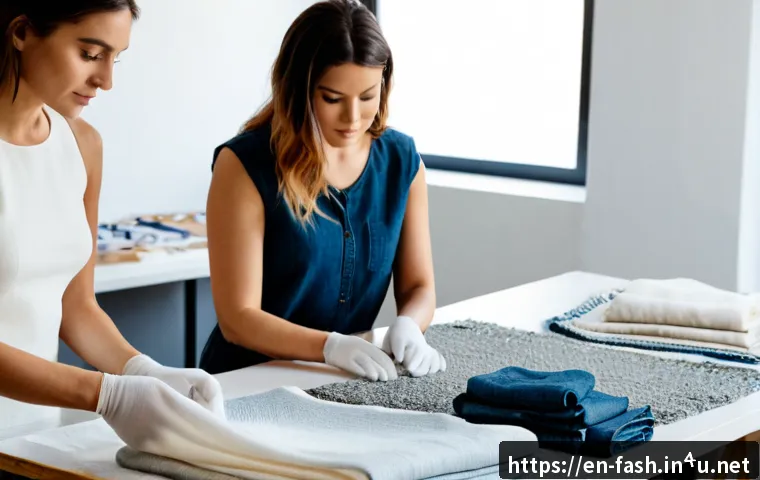
When I first started working with different textiles, I quickly realized that knowing a fabric’s drape, weight, and stretch is crucial for creating pieces that don’t just look good on paper but also perform well in reality.
You might sketch an elegant gown, but if the fabric doesn’t hold the shape or feels uncomfortable, the design falls flat. Experimenting hands-on with cotton, silk, jersey, or synthetics teaches you how each material responds to cuts and stitches.
This awareness shapes smarter choices that enhance your design’s appeal and wearability.
Mastering Pattern Making from Scratch
Pattern making felt intimidating at first, but breaking it down into manageable steps made all the difference. Drafting your own blocks and adjusting them to fit specific body measurements requires patience and precision.
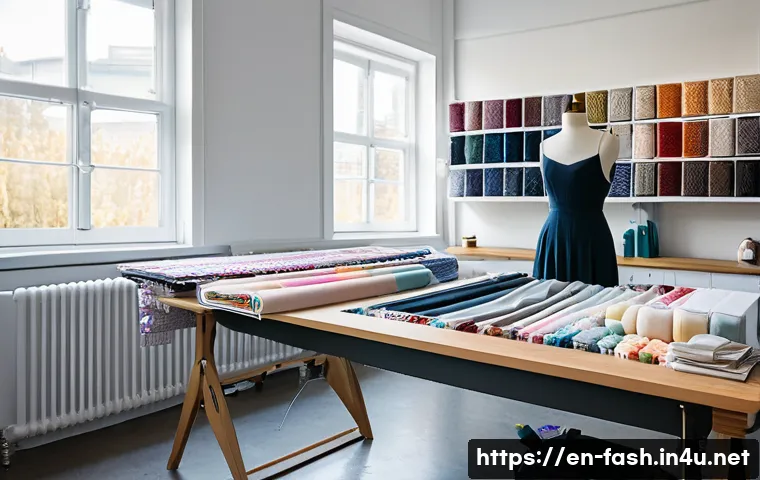
I found that draping fabric on mannequins helps visualize how flat patterns translate into 3D forms. Plus, correcting mistakes early on saves tons of time later.
This skill is like the blueprint of your garment—get it right, and the rest falls into place seamlessly.
Constructing Garments with Professional Techniques
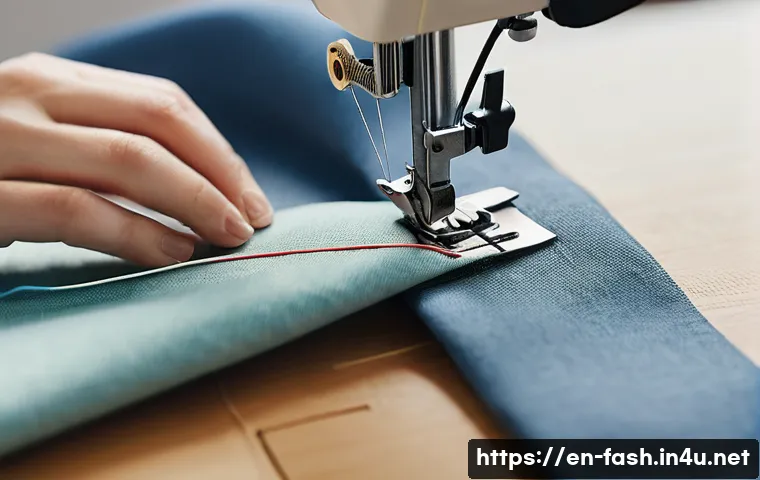
Sewing a garment that’s durable, neat, and market-ready is an art in itself. I learned that mastering seams, finishes, and linings can elevate a design from amateur to professional.
For instance, using French seams or bias tape not only reinforces the structure but also adds a refined look. Practical sessions in workshops where you can practice these techniques repeatedly built my confidence.
It’s one thing to imagine a dress, but another to bring it to life with clean stitching and perfect fit.
Analyzing Market Trends to Inform Design Choices
Tracking Seasonal Shifts and Consumer Preferences
Fashion is ever-evolving, and staying ahead means keeping a close eye on what’s trending. I make it a habit to analyze runway shows, street style, and social media buzz to spot emerging colors, patterns, and silhouettes.
Understanding why certain trends resonate helps tailor your collections to consumer desires without sacrificing originality. This research isn’t just about copying; it’s about adapting insights to create fresh, relevant pieces.
Using Data to Predict Demand and Pricing
Beyond creativity, successful design involves smart business sense. I started using online tools and retail reports to gauge which styles sell best and at what price points.
This knowledge guides fabric sourcing and production decisions, ensuring profitability without compromising quality. It’s fascinating how numbers and customer feedback can shape your design direction, making your brand more competitive.
Balancing Innovation with Wearability
Pushing boundaries is exciting, but I’ve learned that wearable fashion wins hearts and wallets. Experimenting with bold cuts or unconventional materials needs to be balanced with comfort and practicality.
Testing prototypes with real users offers invaluable feedback, helping refine designs that are both eye-catching and easy to wear. This balance is where creativity meets commercial success.
Building a Portfolio that Speaks Volumes
Showcasing Diversity and Technical Skills
A portfolio is your visual resume, so I’ve focused on including a variety of pieces that highlight different techniques and styles. From tailored jackets to casual wear, each item demonstrates specific skills like draping, embellishment, or sustainable design.
Employers and clients appreciate seeing this range because it signals versatility and readiness for diverse projects.
Documenting the Creative Process
Including sketches, mood boards, fabric samples, and photos of finished garments tells a compelling story behind each design. I find that sharing challenges faced and solutions found during development adds authenticity and depth to the portfolio.
It’s not just about the final product; showing your problem-solving journey builds trust and credibility.
Leveraging Digital Platforms for Wider Reach
In today’s digital world, I use platforms like Instagram, Behance, and personal websites to share my portfolio. These channels not only increase visibility but also allow interaction with industry professionals and potential clients.
Regular updates and engaging content keep the audience interested and can lead to exciting opportunities.
Hands-On Workshops and Internships as Learning Catalysts
Gaining Real-World Exposure through Internships
Internships have been game-changers in my learning curve. Working alongside seasoned designers exposes you to daily challenges and industry standards that textbooks can’t replicate.
I remember how assisting in fittings or production meetings taught me the importance of collaboration and time management. This firsthand experience builds confidence and practical knowledge that employers highly value.
Participating in Intensive Skill-Building Workshops
Workshops focused on specific techniques like draping, digital pattern making, or sustainable fashion have helped me deepen my expertise. The concentrated environment encourages experimentation and immediate feedback from experts.
Plus, networking with peers during these sessions often leads to fruitful collaborations and fresh ideas.

Balancing Academic Learning with Practical Application
While formal education provides foundational theories, blending it with practical projects solidifies your understanding. I made it a point to apply classroom concepts directly to my own designs and client projects.
This balance ensures that learning isn’t abstract but directly applicable, making the transition into the professional world smoother.
Integrating Technology into Fashion Design Practice
Utilizing CAD Software for Efficient Design Development
Switching to computer-aided design tools drastically improved my workflow. Programs like Adobe Illustrator and CLO 3D allow you to visualize, modify, and perfect designs digitally before cutting any fabric.
This not only saves material costs but also enables quick iterations. Experimenting with these tools early on gave me a competitive edge in speed and precision.
Exploring 3D Prototyping and Virtual Fittings
Virtual prototyping is revolutionizing how designers test fit and aesthetics. I’ve used 3D simulation to preview how garments move and fit on different body types without making physical samples.
This technology reduces waste and accelerates decision-making, which is crucial in fast-paced fashion cycles.
Incorporating Sustainable Tech for Responsible Design
Sustainability is more than a buzzword; it’s a necessity. I’ve explored technologies that optimize fabric cutting to minimize waste and tools that track supply chain transparency.
Integrating these innovations supports eco-friendly practices and appeals to increasingly conscious consumers.
Essential Soft Skills for Fashion Professionals
Effective Communication and Presentation
Design brilliance needs to be communicated clearly to clients, manufacturers, and team members. I’ve found that storytelling—explaining the inspiration and functionality behind a piece—helps others connect emotionally with your work.
Practicing presentations and using visual aids makes these exchanges smoother and more persuasive.
Time Management in a Deadline-Driven Industry
The fashion world moves fast, and juggling multiple projects is the norm. Learning to prioritize tasks, set realistic timelines, and adapt to changes has been critical for me.
Using planners and digital tools keeps me organized and reduces stress, ensuring I meet client expectations without compromising quality.
Collaborative Problem Solving
No designer works in isolation. Whether coordinating with pattern makers, marketers, or suppliers, teamwork is essential. I’ve learned to listen actively, respect diverse perspectives, and negotiate solutions that benefit the overall project.
These interpersonal skills often make the difference between a smooth production and costly delays.
| Skill Area | Practical Application | Benefits |
|---|---|---|
| Fabric Knowledge | Testing different textiles for drape and durability | Better material choices; improved garment fit and comfort |
| Pattern Making | Drafting and adjusting patterns based on body measurements | Precision in garment construction; reduced fitting issues |
| Sewing Techniques | Using professional seams and finishes | Enhanced garment durability and aesthetic appeal |
| Market Analysis | Researching trends and consumer behavior | Designs aligned with current demand; increased sales potential |
| Digital Tools | CAD software and 3D prototyping | Faster design iterations; reduced material waste |
| Soft Skills | Communication, time management, teamwork | Smoother collaborations; efficient project completion |
Concluding Thoughts
Bringing creativity to life through fashion design is a rewarding journey that combines technical skill, market insight, and personal passion. Each step, from fabric selection to digital prototyping, plays a vital role in crafting garments that resonate both visually and functionally. Embracing continuous learning and practical experience will always set you apart in this dynamic industry.
Useful Tips to Remember
1. Always test fabrics in person to truly understand how they behave before committing to a design.
2. Break complex pattern-making tasks into smaller, manageable steps to avoid overwhelm and ensure accuracy.
3. Use professional sewing techniques to enhance the durability and finish of your garments.
4. Keep up with fashion trends and consumer data to design pieces that are both innovative and marketable.
5. Leverage digital tools and virtual fittings to speed up your workflow and reduce material waste.
Key Takeaways
Mastering fabric knowledge, pattern making, and sewing techniques forms the foundation of quality fashion design. Pairing this with market research and technological tools enables smarter, more sustainable creations. Moreover, honing soft skills like communication and time management ensures smoother collaboration and successful project delivery. Ultimately, combining creativity with practical expertise and business acumen is essential for thriving in today’s competitive fashion landscape.
Frequently Asked Questions (FAQ) 📖
Q: How can practical experience improve my fashion design skills compared to just studying theory?
A: Practical experience is like the secret sauce that brings your fashion ideas to life. When you work on real projects, you learn how fabrics behave, how patterns fit, and how to troubleshoot unexpected issues—things you can’t fully grasp through theory alone.
For example, I found that sewing a garment myself taught me far more about construction challenges than any textbook ever did. This hands-on approach also helps you stay in tune with current market trends and consumer preferences, which are constantly evolving.
Ultimately, employers value designers who can hit the ground running, and practical skills prove you’re ready for the job.
Q: What are the essential hands-on techniques every aspiring fashion designer should master?
A: From my experience, three core skills are absolutely crucial: pattern making, fabric selection, and garment construction. Pattern making lets you translate your sketches into wearable pieces, while fabric selection ensures your designs not only look good but feel comfortable and durable.
Garment construction ties it all together—knowing how to sew and finish pieces professionally is what turns a good design into a great product. Focusing on these areas early on gave me the confidence to experiment creatively while maintaining technical precision, which is a huge advantage in the industry.
Q: How can building a strong portfolio through practical work help me stand out to employers and clients?
A: A portfolio filled with real, hands-on projects speaks volumes about your capabilities. It shows employers that you don’t just have ideas—you can execute them from start to finish.
When I included samples of my own constructed garments and pattern drafts, it made my portfolio much more dynamic and credible. Plus, a well-rounded portfolio reflects your understanding of market needs and your adaptability, which clients love.
This kind of evidence makes you memorable in a crowded field and increases your chances of landing exciting opportunities.