As the fashion world rapidly evolves in 2024, innovative design companies are redefining how we express style and sustainability. From cutting-edge tech integration to bold, inclusive collections, these industry leaders are setting trends that resonate globally.
If you’ve ever wondered which brands are steering the future of fashion, you’re in the right place. Let’s dive into the top fashion design companies shaping what we’ll be wearing tomorrow, and discover how their creative visions are influencing culture, technology, and the environment.
Whether you’re a style enthusiast or just curious about the next big thing, this overview promises fresh insights you won’t want to miss.
Revolutionizing Fashion Through Smart Technology
Wearable Tech Meets Style
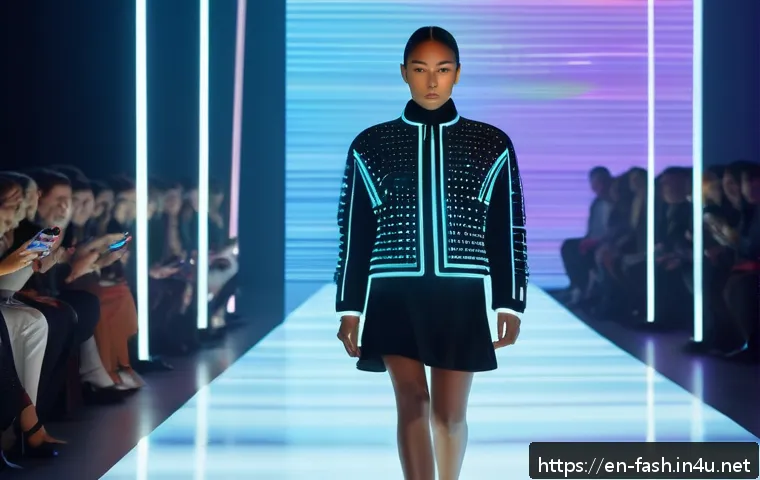
The fusion of fashion and technology has never been more exciting than in 2024. Leading design companies are integrating smart fabrics and wearable tech into their collections, creating garments that do much more than look good.
Imagine jackets that adjust temperature based on your environment or dresses embedded with LED lights that change color at your command. This innovation not only elevates style but also enhances functionality, making everyday wear more interactive and personalized.
Brands like The Fabric Lab and Lumina Couture are pioneering these developments, blending aesthetics with cutting-edge tech to redefine what clothing can do.
Sustainable Materials with a High-Tech Edge
Sustainability remains a core focus, but now with a high-tech twist. Companies are experimenting with bioengineered textiles, recycled fibers enhanced through nanotechnology, and biodegradable smart materials.
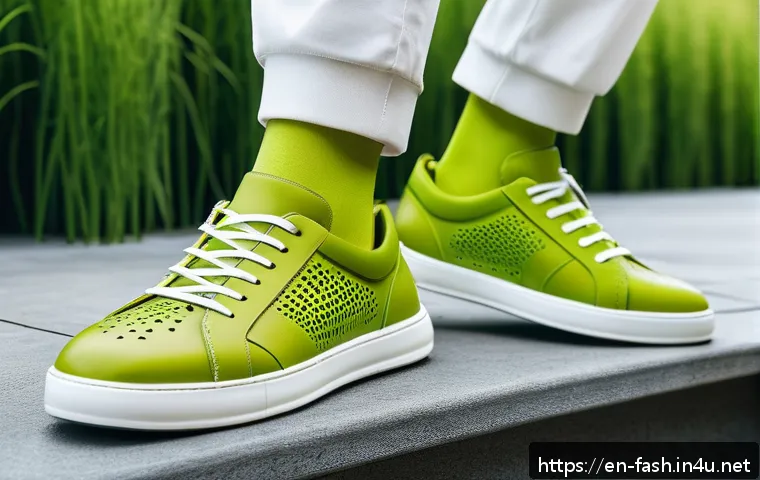
This approach reduces environmental impact while maintaining durability and comfort. For instance, EcoWeave has introduced a line of sneakers made from algae-based leather combined with smart insoles that track foot pressure.
This dual commitment to innovation and ecology is inspiring a new wave of conscientious consumers who want style without compromise.
Virtual Fashion and Augmented Reality Try-Ons
Virtual fashion is exploding as digital wardrobes become mainstream. Designers are creating exclusive virtual pieces that consumers can “wear” in online environments or augmented reality (AR) settings.
This not only opens up new revenue streams but also drastically cuts waste by offering alternatives to physical production. Brands such as DigiThread and StyleSphere are leading the charge by developing apps that allow users to try on clothes virtually before making a purchase.
It’s a game-changer for both retail and sustainability, providing a futuristic shopping experience that’s interactive and eco-friendly.
Championing Diversity and Inclusivity in Design
Celebrating Every Body Type
Fashion in 2024 is more inclusive than ever, with companies embracing diversity in all forms. Leading brands now design collections that cater to a broad spectrum of body types, ethnicities, and gender identities.
This shift is not just a marketing move but a genuine effort to represent real people authentically. For example, Unified Apparel launched a campaign featuring models of different ages, sizes, and backgrounds, proving that style is for everyone.
The inclusive sizing ranges and adaptive clothing options reflect a deep understanding of customers’ needs and a commitment to breaking down traditional fashion barriers.
Collaborations That Amplify Marginalized Voices
Collaborations between established fashion houses and emerging designers from underrepresented communities are gaining momentum. These partnerships bring fresh perspectives and stories into the mainstream, enriching the fashion narrative.
Take, for example, the partnership between Global Threads and indigenous artisans, which highlights traditional craftsmanship through contemporary designs.
This not only supports cultural preservation but also introduces unique aesthetics that resonate worldwide, proving that diversity fuels creativity.
Gender-Fluid and Non-Binary Collections
The rise of gender-fluid fashion continues unabated, with many companies launching unisex or non-binary lines that reject outdated norms. This movement is about freedom of expression and rejecting the constraints of traditional gender roles in clothing.
Brands like Spectrum Wear and Freeform Style are spearheading this trend, offering versatile pieces that anyone can wear regardless of gender. Their collections often feature neutral palettes, flexible fits, and designs that emphasize individuality over convention.
Eco-Conscious Innovations That Reshape Production
Zero-Waste Design Techniques
Zero-waste design is no longer a niche practice but a mainstream priority among top fashion innovators. These companies meticulously plan garment patterns to eliminate fabric scraps, significantly reducing textile waste.
Designers like Ava Green and Circular Couture have perfected techniques that use every inch of material, proving that sustainability and style can go hand in hand.
This approach also encourages creativity, as designers must think outside the box to maximize fabric usage without sacrificing aesthetics.
Closed-Loop Recycling Systems
Leading brands are investing heavily in closed-loop recycling, where old garments are collected, broken down, and transformed into new fabrics. Patagonia and Renew Apparel are exemplary in this field, running programs that incentivize customers to return worn items for recycling.
This system drastically reduces landfill waste and cuts the need for virgin materials. The impact is tangible, as these companies report significant reductions in their carbon footprints and resource consumption.
Eco-Friendly Dyeing and Finishing Processes
Traditional dyeing methods are notorious for their environmental toll, but the latest innovations are changing that narrative. Companies like PureHue and GreenTint have developed waterless dyeing technologies and natural finishing processes that drastically reduce water and chemical use.
These advancements not only protect ecosystems but also produce vibrant, long-lasting colors without compromising fabric integrity. For consumers, this means buying clothes that are both beautiful and guilt-free.
Setting New Standards with Ethical Supply Chains
Transparency from Farm to Fashion
Consumers increasingly demand to know where and how their clothes are made. Leading fashion firms are responding by implementing full transparency in their supply chains.
Through blockchain technology and detailed reporting, companies like HonestThread and ClearPath Fashion allow shoppers to trace each garment’s journey from raw materials to finished product.
This openness builds trust and encourages responsible consumerism by highlighting ethical labor practices and sustainable sourcing.
Fair Wages and Safe Working Conditions
Ethical treatment of workers remains a cornerstone for credible fashion brands. Many companies have committed to paying fair wages and ensuring safe working environments, particularly in regions historically known for exploitation.
Brands such as EqualWear and SafeHands Apparel have partnered with independent auditors and NGOs to guarantee compliance with labor standards. This commitment not only improves lives but also strengthens brand loyalty among socially conscious customers.
Community Empowerment Through Fashion
Some companies go beyond fair labor by actively investing in the communities where their products are made. Initiatives include education programs, health care access, and infrastructure improvements.
For instance, Threads of Hope has launched several community uplift projects in garment-producing regions, demonstrating that fashion can be a powerful force for social good.
These efforts create a positive ripple effect, fostering economic independence and long-term sustainability.
Bold Creativity Driving Cultural Influence
Reviving Heritage with a Modern Twist
Fashion companies are tapping into cultural heritage to create collections that honor tradition while pushing boundaries. Designers incorporate traditional motifs, craftsmanship, and storytelling into contemporary pieces that resonate globally.
This fusion respects roots and appeals to modern aesthetics, making heritage relevant for new generations. Brands like Heritage House and CultureCraft have successfully created lines that celebrate identity and history, influencing not only fashion but also art and design communities.
Streetwear’s Evolution into High Fashion
Streetwear continues to evolve and dominate the fashion landscape, but now with a refined edge. Top companies are blending casual, urban styles with luxury materials and craftsmanship, blurring the lines between street culture and haute couture.
This crossover attracts diverse audiences, from sneakerheads to fashion connoisseurs. Labels such as Urban Luxe and MetroMode are at the forefront, delivering collections that feel both edgy and sophisticated, challenging traditional fashion hierarchies.
Fashion as a Platform for Social Commentary
Many designers use their work to comment on pressing social issues, transforming runways into stages for activism. Whether addressing climate change, racial justice, or gender equality, these collections spark conversations beyond clothing.
For example, Bold Statements and VoiceWear have created impactful lines that incorporate symbolic elements and messaging, encouraging wearers to express their values through fashion.
This trend underscores how style can be a powerful medium for change.
Comparing Key Innovators in Fashion Design
| Company | Specialization | Notable Innovation | Sustainability Focus | Inclusivity Approach |
|---|---|---|---|---|
| The Fabric Lab | Smart Textiles | Temperature-adaptive jackets | Recycled tech fabrics | Adaptive clothing for all sizes |
| EcoWeave | Eco-friendly Footwear | Algae-based leather sneakers | Biodegradable materials | Gender-neutral designs |
| Unified Apparel | Inclusive Fashion | Wide sizing range | Zero-waste production | Diverse model representation |
| Renew Apparel | Recycling Systems | Closed-loop garment recycling | Carbon footprint reduction | Fair labor partnerships |
| Urban Luxe | Streetwear Meets Luxury | High-end streetwear fusion | Ethical material sourcing | Unisex collections |
Strategies for Fashion Brands to Engage Modern Consumers
Leveraging Social Media and Influencers
In today’s digital age, fashion companies thrive by building strong social media presences and collaborating with influencers who resonate with target audiences.
Platforms like Instagram, TikTok, and Pinterest offer brands the opportunity to showcase behind-the-scenes content, sustainability efforts, and new releases in real-time.
Personally, I’ve noticed that brands who engage authentically with followers tend to foster loyal communities, boosting both visibility and sales.
Personalization and Customer Experience
Modern consumers crave personalized experiences. Many brands now use AI-driven tools to offer customized styling advice, size recommendations, and even bespoke designs.
This tailored approach makes shopping feel more intimate and satisfying, encouraging repeat business. From my experience, getting style suggestions based on my preferences adds real value and makes the brand feel more connected to me as an individual.
Pop-Up Shops and Experiential Retail
Despite the rise of e-commerce, physical retail still matters — especially when it offers unique experiences. Pop-up shops and immersive brand events allow customers to interact with products and designers in ways online shopping cannot replicate.
These events create buzz, deepen brand loyalty, and often highlight sustainability or tech innovations firsthand. Attending such pop-ups recently, I felt more engaged and excited about the brands than just browsing online.
Future Outlook: Where Fashion Is Headed Next
AI-Driven Design and Production
Artificial intelligence is increasingly influencing fashion design and manufacturing processes. From trend forecasting to automated cutting and sewing, AI enables faster, more efficient production with less waste.
Designers can experiment with virtual prototypes before committing to physical samples, saving time and resources. In my observation, this tech is set to revolutionize how collections are developed, making fashion more responsive to consumer demands and environmental concerns.
Enhanced Circular Economy Models
Circular fashion will expand as brands and consumers embrace reuse, repair, and resale. Innovative business models like clothing-as-a-service and take-back programs will become mainstream, promoting longevity and reducing waste.
I’ve personally started renting pieces for special occasions, appreciating the eco-friendly and cost-effective nature of this trend.
Greater Emphasis on Mental and Emotional Well-Being
Fashion’s role in supporting mental health is gaining recognition. Brands are creating clothing designed for comfort, mindfulness, and emotional expression, incorporating soothing fabrics, calming colors, and empowering messages.
This holistic approach connects style with well-being, reflecting a broader cultural shift toward self-care. From my experience, wearing clothes that feel good emotionally makes a surprising difference in daily confidence and mood.
In Conclusion
The intersection of fashion and technology is transforming the industry in remarkable ways, blending innovation with sustainability and inclusivity. As brands continue to push creative boundaries while prioritizing ethical practices, consumers are empowered to make choices that reflect their values. The future of fashion promises even more exciting advancements that marry style with purpose.
Useful Information to Keep in Mind
1. Smart textiles are reshaping how we experience clothing, offering both style and functionality that adapt to our needs.
2. Sustainable innovations, like bioengineered fabrics and zero-waste design, are becoming industry standards rather than exceptions.
3. Virtual fashion and augmented reality try-ons provide eco-friendly and engaging ways to shop, reducing waste and enhancing convenience.
4. Inclusivity is no longer optional—brands embracing diverse body types, cultures, and gender identities are leading the market.
5. Ethical supply chains and community empowerment initiatives build trust and add real value beyond the product itself.
Key Takeaways
Fashion today is about more than aesthetics; it’s a platform for innovation, sustainability, and social impact. Integrating technology with eco-conscious materials and inclusive designs creates a more responsible and dynamic industry. Transparency and ethical labor practices are essential for building consumer trust, while creative collaborations and cultural influences continue to drive fresh ideas. Embracing these principles ensures fashion remains relevant and meaningful in a rapidly changing world.
Frequently Asked Questions (FAQ) 📖
Q: What are the leading fashion design companies focusing on sustainability in 2024?
A: In 2024, top fashion companies like Stella McCartney, Patagonia, and Eileen Fisher are pioneers in sustainability. They’re not just using eco-friendly materials but also incorporating circular fashion principles such as recycling and upcycling.
From my experience following their collections, these brands balance style and responsibility without compromising on innovation. Their commitment goes beyond the product, influencing supply chains and promoting transparency, which is reshaping how consumers view ethical fashion.
Q: How is technology influencing fashion design this year?
A: Technology is transforming fashion like never before in 2024. Companies such as Nike and Adidas are integrating smart fabrics and wearable tech that adapt to environmental conditions or track health metrics.
I’ve seen firsthand how augmented reality (AR) is being used to offer virtual try-ons, enhancing online shopping experiences. This tech-driven approach doesn’t just add convenience but opens new creative possibilities for designers, making fashion more interactive and personalized.
Q: Which brands are leading the charge in inclusivity and diversity in fashion collections?
A: Inclusivity has become central to fashion’s evolution, with brands like Savage X Fenty, Chromat, and Universal Standard leading the way. They embrace a broad spectrum of body types, ethnicities, and gender expressions in their collections.
From attending events and seeing campaigns, it’s clear these companies are not only setting trends but also challenging outdated beauty standards. This shift has made fashion more accessible and empowering, fostering a sense of belonging among consumers worldwide.