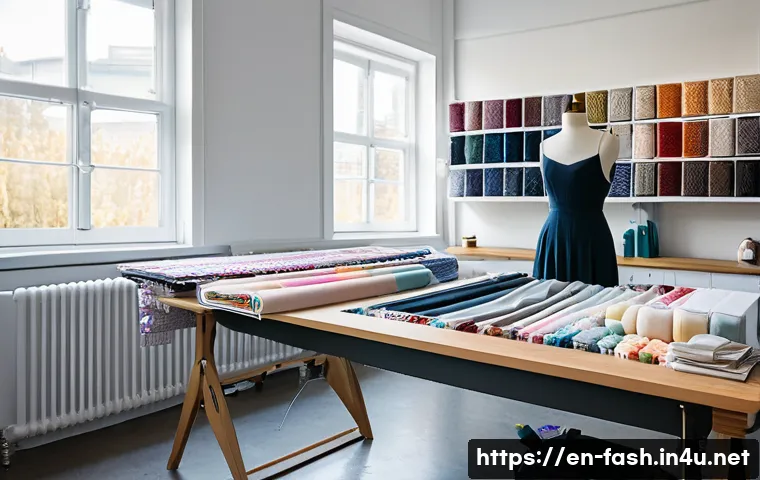
Explore the material directions shaping fashion design, from texture and transparency to recycled blends and performance fabrics. Learn how to compare visual impact, wearability, minimum order quantities, sampling needs, and sourcing risks before choosing textiles for a collection.
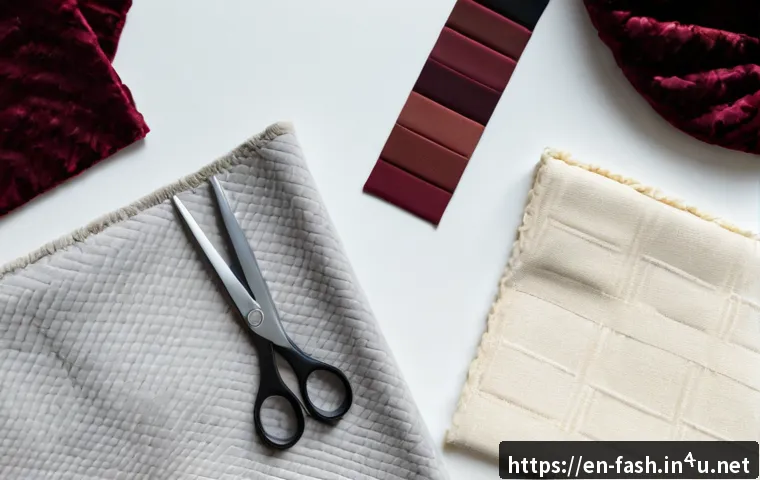
The strongest fashion material choices balance a clear visual direction with real garment performance and supply feasibility. For most collections, texture suits premium storytelling, lower-impact options support sustainability-led positioning, and technical fabrics serve performance-focused products.
The right fabric is rarely chosen from appearance alone; drape, opacity, durability, care, sampling needs, and supplier conditions can change the final result.
Designers and small brands should compare materials before committing to production, especially when minimum order quantities, testing, and replenishment risk may affect margin.
A more expensive textile can still create better value when it reduces fit issues, supports the intended price position, or improves repeat purchase potential.
Sustainable, recycled, and certified options should be verified against the garment’s actual performance needs. Treat fabric sourcing as an early product-development decision, not a final purchasing task.
At a Glance
- Premium collections: Prioritize tactile texture, refined drape, controlled transparency, and construction compatibility.
- Sustainability-led collections: Compare lower-impact claims with actual durability, care requirements, available quantities, and verification documents.
- Performance-led collections: Test stretch, recovery, comfort, opacity, and finish durability in a finished garment, not only as a swatch.
| Material Direction | Visual Impact | Garment Performance Focus | Sourcing Complexity | Common Cost Drivers |
|---|---|---|---|---|
| Textured and dimensional surfaces | Strong surface interest and premium character | Drape, bulk, seam behavior, comfort | May require careful sampling and construction testing | Sampling, cutting waste, specialized construction |
| Sheer and lightweight fabrics | Layering, movement, controlled transparency | Opacity, snag resistance, lining needs | Higher risk if color, layering, or sewing changes the effect | Lining, finishing, extra labor, sample revisions |
| Recycled or lower-impact materials | Supports material-storytelling and brand positioning | Durability, hand feel, care, color consistency | Documentation and supply availability require review | Minimum order quantities, testing, certification review |
| Technical and performance fabrics | Functional, modern, utility-oriented appearance | Stretch recovery, moisture handling, abrasion, wash performance | Finish and performance claims need garment-level verification | Textile testing, bonding, trims, specialized manufacturing |
What Material Trends Matter Most in Fashion Design Right Now
Material trends are most useful when they strengthen a collection’s point of view without creating avoidable production problems. Rather than following every new surface treatment or sustainability label, assess whether the fabric supports the silhouette, customer expectation, price position, and end use of the garment.
Texture, tactility, and dimensional surfaces
Textured fabrics can make a simple silhouette feel more distinctive. Raised surfaces, visible weave character, soft volume, and structured finishes may add perceived value without relying on complicated prints or excessive detailing. The trade-off is that texture can affect seam thickness, cutting accuracy, comfort, and how a garment sits on the body.
For premium capsules, texture may be worth the additional sample work when it creates a recognizable hand feel. Test how the surface responds at seams, hems, pockets, and high-friction areas before treating it as a core production fabric.
Sheer layers, lightweight constructions, and controlled transparency
Lightweight and sheer materials can create movement, layering, and occasionwear appeal. Their success depends on controlled opacity, not just visual delicacy. A fabric that looks elegant on a hanger may become too transparent under daylight, stretch at the body, or shift after lining and seam finishing.
Request enough sample material to assess layering, color, undergarment visibility, and construction choices. If the design depends on a specific level of transparency, test it in the intended color and garment shape.
Recycled, regenerative, and lower-impact material directions
Lower-impact material choices can support a meaningful collection story, but the claim should not replace product development. Designers should compare hand feel, wear life, wash behavior, available quantities, and supplier documentation against conventional alternatives. A recycled, bio-based, or certified option may still need testing to confirm it meets the brand’s standards.
Ask suppliers what information is available for the specific material, finish, color, and production route under consideration. Availability, pricing, lead times, and minimum order quantities can change, so confirm current terms directly with the supplier.
Technical finishes and performance-focused fabrics
Performance fabrics are relevant beyond activewear. Travel clothing, utility pieces, outer layers, and comfort-led basics may benefit from stretch, recovery, easy-care behavior, weather-oriented treatments, or durable construction. Still, a finish that sounds useful must work after washing, wearing, printing, bonding, and garment assembly.
Use textile testing services when the performance claim is central to the product promise. A finished sample provides more useful information than a supplier swatch alone.
Compare Materials by Design Impact, Performance, and Sourcing Complexity
A fabric decision should combine creative intent with operational reality. The most attractive option is not automatically the best one if it creates excessive waste, limits repeat orders, or requires manufacturing methods the production partner cannot support.
Comparison table: drape, structure, comfort, durability, and care
Start with five practical criteria: drape, structure, comfort, durability, and care. Drape tells you how the fabric moves. Structure indicates whether it can hold a shape. Comfort includes touch, weight, breathability, and stretch. Durability covers surface wear and recovery. Care determines whether the customer can realistically maintain the garment.
Rank each shortlisted material according to the intended garment, not as a universal score. A crisp fabric may be excellent for a structured jacket and unsuitable for a relaxed base layer.
Cost drivers beyond the price per yard or meter
Fabric price is only one part of sourcing value. Sampling rounds, cutting waste, shrinkage risk, special sewing requirements, lining, bonding, printing, testing, shipping, and minimum order quantities can alter the effective cost. Deadstock can be useful for small-batch manufacturing, but the same fabric may not be available for replenishment.
Before comparing supplier quotes, define the amount needed for samples, production, potential defects, and future continuity. This gives a more realistic view of margin than comparing unit fabric prices alone.
When a higher-cost fabric can create better collection value
A higher-cost textile can make sense when it improves fit, reduces garment complexity, supports a premium retail position, or gives a core product a better wear experience. It may also be justified if the material helps the design look intentional rather than generic. The key question is whether the difference is visible or functional enough for the intended customer.
Do not assume a higher price guarantees superior performance. Compare samples, request relevant material information, and evaluate the fabric in the planned construction.
Turn a Trend Direction into a Production-Ready Material Choice
Trend relevance becomes commercially useful only when the material can be made into a repeatable garment. Build the evaluation around the end use first, then use the trend direction to refine the fabric shortlist.
Start with the garment’s end use and customer expectations
Define where, how, and how often the garment will be worn. An occasion piece may prioritize movement and visual impact. Everyday basics need consistent comfort and care practicality. Active, travel, and utility apparel require stronger attention to recovery, abrasion, opacity, and wash behavior.
Request swatches, test garments, and wash-test samples
A swatch is useful for color and first-touch evaluation, but it cannot show the full garment result. Request swatches from fabric sourcing platforms or supplier directories, then develop a test garment when a material reaches the final shortlist. Check how it performs after the relevant finishing, sewing, and washing process.
Small-batch labels can control sampling spend by testing only the materials that meet the initial design and supply criteria. This is more efficient than developing multiple silhouettes in fabrics that have not yet passed basic checks.

Check color consistency, shrinkage, pilling, stretch recovery, and opacity
Use a clear sample review sheet. Evaluate color consistency, shrinkage, pilling, stretch recovery, opacity, seam behavior, and surface change. The final behavior may differ after dyeing, washing, printing, bonding, or garment construction, so these points require confirmation for the actual material and process.
Common Fabric Sourcing Mistakes That Affect Margin and Quality
Most sourcing problems begin when a visually appealing fabric is treated as production-ready too early. A short review process can prevent costly changes later.
Choosing from a swatch without testing the full garment
Swatches do not reveal fit, weight distribution, cling, seam bulk, lining interaction, or customer comfort. A full or partial prototype is especially important for sheers, stretch fabrics, textured constructions, and materials with technical finishes.
Ignoring minimum order quantities, deadstock limitations, or replenishment risk
Confirm minimum order quantities before designing a collection around a fabric. Deadstock may support limited launches, but it can create continuity risk for best sellers. If a product may become a repeatable core style, ask whether a similar quality or repeat supply is realistically available.
Treating sustainability claims as a substitute for material verification
Sustainability language can be relevant, but it does not answer every design and performance question. Verify the available information for the specific material, then assess whether it meets expectations for durability, care, comfort, and garment construction.
Material Priorities by Collection Type
Premium and occasionwear collections
Prioritize surface character, drape, opacity control, and finishing quality. Texture and lightweight layering can provide strong visual value, but the garment needs enough sampling to confirm construction and comfort.
Small-batch and emerging fashion labels
Focus on materials with manageable sampling needs, realistic minimum order quantities, and a clear path to production. Deadstock and small-batch manufacturing options may be useful, but avoid building a long-term core product around supply that cannot be replenished.
Active, travel, and utility-focused apparel
Prioritize function before trend language. Stretch recovery, comfort, durability, opacity, care, and compatibility with trims or bonding should guide the shortlist. Consider textile testing options when a functional attribute is central to the product.
Everyday essentials and repeatable core products
Choose materials that support consistent fit, comfort, care, and supply stability. A quieter fabric can create more collection value than a highly directional one if it performs well across repeat production and regular wear.
Selection Criteria and Comparison Summary
Before contacting suppliers, answer these questions:
Does the material fit the design? Will it perform for the intended use? Can it be sampled and produced within the available budget?
Is supply stable enough for the launch plan? Can the customer care for it realistically?
Build a shortlist around aesthetic fit, performance, total cost, supply stability, and care requirements. For complex finishes, uncertain material claims, or high-stakes production runs, a sourcing agent, textile consultant, or testing service can help narrow risk. Compare supplier directories, sampling services, and textile testing options by their stated material coverage, sample process, and current production terms.
In Closing
Fashion material trends matter most when they make a garment more desirable and more workable at the same time. Texture, transparency, lower-impact materials, and technical fabrics can all support strong collections, but each requires a different level of sampling and verification. Start with the garment’s purpose, then test the material against its real construction and care conditions. A disciplined shortlist is usually more valuable than an oversized fabric library.
Useful Things to Know
1. A fabric’s appearance can change substantially after washing, dyeing, printing, or garment construction.
2. Sampling is a cost-control tool, not only a design step.
3. Deadstock can suit limited releases, while repeatable products often need more stable supply planning.
4. Supplier claims and sustainability information should be reviewed for the specific material being ordered.
Important Notes
Material availability, pricing, lead times, minimum order quantities, and supplier terms are not fixed and should be confirmed directly before development or production. Recycled, bio-based, and certified materials may vary in performance depending on the material, finish, dyeing, washing, printing, bonding, and garment construction. This guide is a general framework, not a substitute for supplier documentation, sample evaluation, or appropriate textile testing.
Frequently Asked Questions
Q1. Which fashion materials are best for a small clothing brand with a limited sampling budget?
A1. Start with materials that match the product’s end use and have manageable sampling requirements, realistic minimum order quantities, and straightforward construction. Test a short list rather than developing many styles in unverified fabrics. Deadstock may suit limited runs, but check replenishment risk before using it for a core item.
Q2. How should designers compare sustainable fabrics with conventional alternatives?
A2. Compare them using the same product criteria: hand feel, drape, durability, care, opacity, stretch behavior, cost, and supply conditions. Review available supplier information for the specific material, then test samples in the intended garment construction rather than assuming a sustainability claim confirms performance.
Q3. Is it worth paying more for technical or certified textiles in an early collection?
A3. It can be worthwhile when the material supports a clear customer benefit, a credible product position, or an important functional requirement. However, higher cost alone does not prove better value. Confirm the fabric’s behavior through samples, consider total development cost, and check whether the supplier’s current terms fit the collection plan.