10 Essential Tips Every Beginner Fashion Designer Should Know for Stunning Results

webmaster

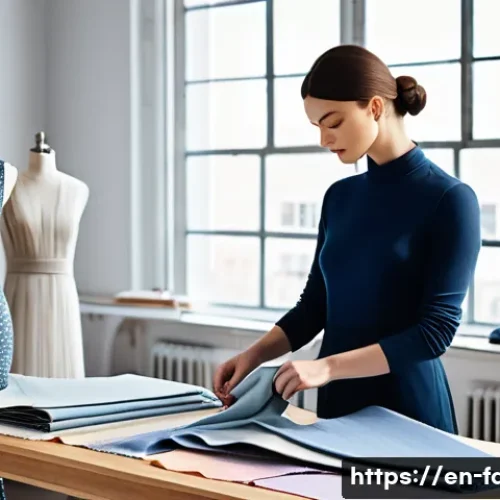
패션디자인 초보자를 위한 가이드 - A detailed, high-resolution image of a modern fashion designer’s workspace, featuring a large cuttin...

Diving into the world of fashion design can feel both exciting and overwhelming, especially when you’re just starting out. From understanding fabrics to sketching your first ideas, every step opens up new creative possibilities.

패션디자인 초보자를 위한 가이드 관련 이미지 1

Whether you dream of launching your own brand or simply want to enhance your style knowledge, grasping the basics is key. I’ve been there—navigating through countless tutorials and real-world experiences to find what truly works.

Let’s break down the essential tips and tricks that will set you on the right path. Get ready to explore the ins and outs of fashion design with me; we’ll uncover everything in detail ahead!

Mastering Fabric Fundamentals

Understanding Fabric Types and Their Uses

When I first stepped into the world of fashion design, the sheer variety of fabrics felt like a maze. Knowing the difference between cotton, silk, wool, and synthetic fibers is crucial because each fabric behaves differently when cut, sewn, or worn.

Cotton, for example, is breathable and easy to work with, making it perfect for casual wear. Silk, on the other hand, has a luxurious sheen but requires delicate handling.

Wool keeps you warm but can be bulky, while synthetics like polyester offer durability and stretch but might lack breathability. Getting familiar with these traits helps you pick the right fabric for your design’s purpose, whether it’s for comfort, style, or function.

How to Choose the Right Fabric for Your Project

Choosing fabric isn’t just about looks; it’s about matching the material to your design’s needs and the wearer’s lifestyle. I always recommend starting by asking: What’s the garment’s intended use?

For example, a summer dress needs a lightweight, breathable fabric, while a winter coat demands something heavier and insulating. Also, consider the drape—does your design need fabric that flows or one that holds shape?

Testing fabric samples by pinching and folding can give you a sense of texture and stretch, which are key when drafting your patterns. Over time, you’ll develop a gut feeling for what works best.

Fabric Care and Maintenance Tips

Knowing how to care for your fabric can save your designs from looking worn out too quickly. I learned this the hard way when a delicate silk blouse shrunk after a wrong wash.

Always check washing instructions—some fabrics require dry cleaning, while others can be machine washed on gentle cycles. Storing fabric away from direct sunlight prevents fading, and ironing techniques vary depending on fiber type; for example, synthetic fabrics melt under high heat, so a low setting is safer.

Understanding these care details ensures your garments stay beautiful long after you’ve created them.

Advertisement

Sketching and Bringing Your Ideas to Life

Basic Sketching Techniques for Beginners

Starting with a blank page can be intimidating, but sketching is where your ideas begin to breathe. I found that breaking down complex designs into simple shapes helps a lot.

Begin with a basic figure or croquis to maintain proportion, then add elements like sleeves, collars, or hemlines. Don’t stress about perfection; these sketches are your playground for creativity.

Using light pencil strokes allows easy adjustments, and gradually building detail lets you refine your vision. Remember, every professional designer started with rough sketches before turning them into stunning pieces.

Utilizing Digital Tools for Fashion Illustration

Digital sketching tools like Procreate or Adobe Illustrator have become game changers for me. They speed up the process and let you experiment with colors and textures effortlessly.

Unlike traditional sketching, digital platforms offer layers, undo functions, and a vast palette, which can save time and reduce frustration. Plus, you can easily share your work online or with clients.

If you’re new to these tools, start with tutorials and simple projects. The learning curve is real but rewarding, especially once you see how quickly your ideas can evolve.

Incorporating Mood Boards and Color Palettes

Mood boards are more than just a trendy concept; they’re essential for visual storytelling. I often gather images, fabric swatches, and color samples to create a cohesive theme before sketching.

This process helps clarify the vibe of your collection—whether it’s edgy streetwear or elegant evening gowns. Color palettes, in particular, guide your choices and ensure harmony across pieces.

Don’t be afraid to mix unexpected colors; sometimes, that contrast is what makes a design stand out. It’s a creative step that connects your inspiration to actual production.

Advertisement

Pattern Making and Garment Construction Essentials

Introduction to Pattern Drafting

Pattern making felt like decoding a secret language at first, but it’s a skill that unlocks so much control over your designs. Drafting involves translating your sketch into flat templates that guide fabric cutting.

I recommend starting with basic blocks like bodices or skirts and gradually modifying them to fit your style. Precision is key—measurements must be accurate to avoid fitting issues later.

It helps to test your patterns on inexpensive fabric before cutting your final material. This trial and error phase is where most beginners learn the most.

Sewing Techniques Every Beginner Should Know

Sewing is where your designs truly come alive, and mastering a few fundamental stitches can make a big difference. Straight stitching is the backbone of garment construction, while zigzag stitches help prevent fabric from fraying.

I’ve found that investing time in learning how to sew seams neatly and press them properly makes your work look professional. Using the right needle and thread for your fabric type also matters a lot.

Don’t rush; taking it slow and steady helps avoid common pitfalls like puckering or uneven seams.

Understanding Fit and Alterations

Even the best designs need tweaks to fit perfectly, and learning how to make alterations is invaluable. When I first started, I struggled with adjusting patterns for different body shapes, but hands-on practice changed that.

Key areas to focus on include the bust, waist, and hips. Pin fitting on a dress form or real person reveals where adjustments are needed. Taking notes during fittings and making incremental changes ensures the final garment feels comfortable and flattering.

Remember, fit can make or break a design, so don’t skip this step.

Advertisement

Essential Tools and Workspace Setup

Must-Have Tools for Beginners

Starting out, I quickly realized that having the right tools made a huge difference in my workflow. Essentials include a good pair of fabric scissors, a measuring tape, pins, chalk or fabric markers, and a sewing machine with adjustable settings.

A dress form can also be a game changer for draping and fitting. Investing in quality tools might seem pricey initially, but they save time and frustration in the long run.

Having everything organized and within reach also boosts creativity because you’re not constantly hunting for what you need.

Organizing Your Workspace for Efficiency

A cluttered workspace can kill creativity. I’ve found that dedicating a specific area for designing, cutting, and sewing helps me stay focused. Good lighting is a must, especially natural light if possible, as it reveals true colors and fine details.

Using storage boxes or drawers to separate fabrics, notions, and tools keeps everything tidy. A large cutting table is ideal, but if space is limited, a sturdy desk with a self-healing mat works well.

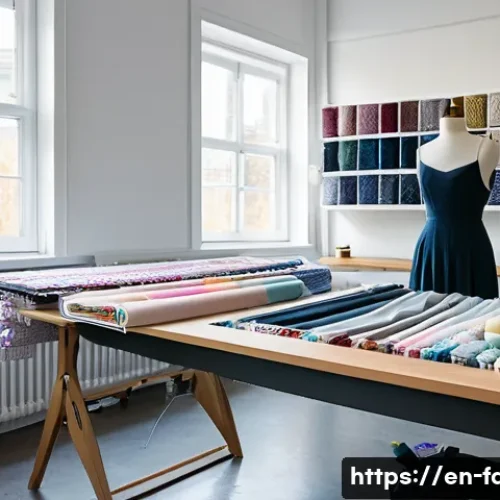
패션디자인 초보자를 위한 가이드 관련 이미지 2

When your environment feels inviting and organized, you’ll find yourself more motivated to create.

Maintaining Your Tools and Equipment

Taking care of your tools prolongs their life and keeps your work consistent. For example, regularly sharpening scissors and changing sewing machine needles prevents snags and uneven cuts.

Cleaning your sewing machine after every few projects reduces lint buildup and mechanical issues. I make it a habit to oil moving parts as recommended in the manual.

Even simple steps like storing pins in a magnetic holder can save time and prevent accidents. When tools are well-maintained, you spend less time fixing problems and more time designing.

Advertisement

Exploring Fashion Trends and Personal Style

Staying Updated with Industry Trends

Fashion is constantly evolving, and keeping up can feel overwhelming. I rely on a mix of sources—fashion magazines, runway shows, social media influencers, and trend forecasting reports.

Following designers and brands whose style you admire gives insight into emerging directions. However, it’s important to filter trends through your own lens rather than copying blindly.

Trends should inspire, not dictate your creativity. Incorporating elements selectively allows your work to feel fresh yet authentic.

Developing Your Unique Design Voice

Finding your personal style is a journey that takes time and experimentation. When I first started, I mimicked popular designs, but over time, I learned to trust my instincts and preferences.

Ask yourself what themes, colors, and silhouettes resonate most with you. Your design voice should reflect your personality and values, whether that means sustainability, boldness, or minimalism.

Keeping a journal or portfolio of your favorite inspirations and sketches can help you identify patterns and refine your aesthetic.

Balancing Market Demand with Creativity

Designing for the market can sometimes feel like a tug-of-war between creativity and commercial appeal. I’ve faced this challenge many times, especially when launching pieces for sale.

Understanding your target audience’s preferences and needs is crucial, but it shouldn’t stifle your originality. One way to balance this is by creating capsule collections that mix innovative designs with more classic, wearable items.

This strategy keeps your brand relevant and financially viable while still pushing creative boundaries.

Advertisement

Building a Portfolio and Getting Noticed

Curating Your Best Work

Your portfolio is your fashion résumé, so presenting your best work thoughtfully is key. I learned to focus on quality over quantity, choosing pieces that showcase a range of skills—from sketching and fabric selection to sewing and final presentation.

Including detailed descriptions about your process and inspiration adds depth. High-quality photos, preferably styled and professionally taken, elevate your portfolio.

It’s also helpful to organize work by theme or collection to show cohesiveness.

Networking and Building Industry Connections

Networking can open doors that talent alone might not. Attending fashion events, workshops, and trade shows helped me meet mentors and collaborators. Don’t be shy about reaching out to designers or boutiques via social media or email; many appreciate genuine interest.

Joining online communities and forums also provides support and exposure. Building relationships takes time, but it’s rewarding when you find people who believe in your vision and offer opportunities.

Leveraging Social Media and Online Platforms

In today’s digital age, social media is a powerful tool for getting noticed. Platforms like Instagram, TikTok, and Pinterest allow you to showcase your process and finished designs to a global audience.

I found that posting regularly, engaging with followers, and using relevant hashtags helped grow my presence. Creating behind-the-scenes content or tutorials adds value and builds trust.

Online marketplaces like Etsy or Shopify offer avenues to sell your designs directly. Consistency and authenticity are key to turning followers into customers.

Advertisement

Key Terminologies Every Beginner Should Know

Term Definition Why It Matters
Drape How a fabric hangs or falls on the body Influences garment silhouette and comfort
Croquis A quick sketch of a fashion figure used as a template Helps maintain proportions in design sketches
Notions Small accessories like buttons, zippers, and thread Essential for garment construction and finishing
Seam Allowance The extra fabric added for sewing seams Prevents garments from being too tight or misshapen
Pattern Block Basic template used as a starting point for patterns Simplifies pattern drafting and alterations
Bias Fabric cut diagonally across the grain Provides stretch and fluidity to garments
Advertisement

Closing Thoughts

Mastering the fundamentals of fabric, sketching, pattern making, and construction lays a strong foundation for any aspiring fashion designer. With patience and practice, these skills become second nature, allowing your creativity to truly flourish. Remember, every great designer started with the basics before creating their signature style. Keep experimenting, learning, and most importantly, enjoying the journey.

Advertisement

Useful Tips to Remember

1. Always test fabric samples before committing to a project to understand texture, stretch, and drape.

2. Invest time in learning basic sewing techniques; neat seams and proper pressing elevate your designs instantly.

3. Maintain your tools regularly to ensure smooth workflow and professional results.

4. Use mood boards and color palettes to keep your collection cohesive and inspired.

5. Leverage social media platforms consistently to showcase your work and build a supportive community.

Advertisement

Key Takeaways

Understanding fabric types and their care is essential for garment longevity and comfort. Developing solid sketching and pattern-making skills empowers you to bring your ideas to life accurately. Prioritizing workspace organization and tool maintenance boosts productivity and creativity. Staying current with trends while cultivating your unique design voice ensures your work remains relevant and authentic. Finally, building a strong portfolio and networking strategically opens doors to valuable opportunities in the fashion industry.

Frequently Asked Questions (FAQ) 📖

Q: What are the first steps I should take when starting out in fashion design?

A: When you’re just beginning, focus on building a solid foundation. Start by learning about different types of fabrics and their properties because knowing your materials will hugely impact your designs.
Simultaneously, practice sketching regularly—even simple shapes and silhouettes help you develop your style. Don’t rush; take time to observe fashion trends, study how garments are constructed, and experiment with combining textures and colors.
Personally, I found that blending hands-on practice with some basic sewing skills gave me a clearer picture of how designs come to life.

Q: How can I stay motivated when fashion design feels overwhelming?

A: It’s totally normal to feel overwhelmed at the start. What helped me was setting small, achievable goals—like mastering one technique per week or completing a mini project.
Surround yourself with inspiration, whether it’s following designers you admire on social media or visiting local boutiques. Also, connect with other aspiring designers or join online communities; sharing progress and challenges makes the journey less lonely.
Remember, every expert was once a beginner, so embrace mistakes as part of learning. Keeping a sketchbook or design journal can be a great way to track your growth and keep your creative energy flowing.

Q: Do I need formal education to succeed in fashion design?

A: Formal education can definitely open doors and provide structured knowledge, but it’s not the only path to success. Many renowned designers are self-taught or learned through apprenticeships and hands-on experience.
What truly matters is your passion, dedication, and willingness to keep improving. If you choose to study fashion formally, look for programs that offer practical experience and industry connections.
Otherwise, supplement your learning with online courses, workshops, and real-world projects. From my experience, combining education with consistent practice and networking is the key to building a successful career in fashion design.

📚 References


➤ Link

– Google Search

➤ Link

– Bing Search

➤ Link

– Google Search

➤ Link

– Bing Search

➤ Link

– Google Search

➤ Link

– Bing Search

➤ Link

– Google Search

➤ Link

– Bing Search

➤ Link

– Google Search

➤ Link

– Bing Search

➤ Link

– Google Search

➤ Link

– Bing Search

➤ Link

– Google Search

➤ Link

– Bing Search

➤ Link

– Google Search

➤ Link

– Bing Search