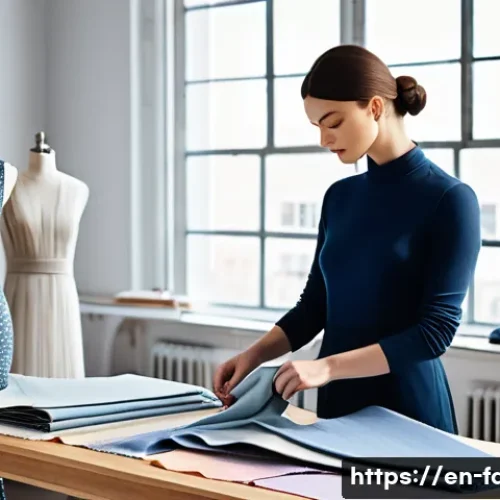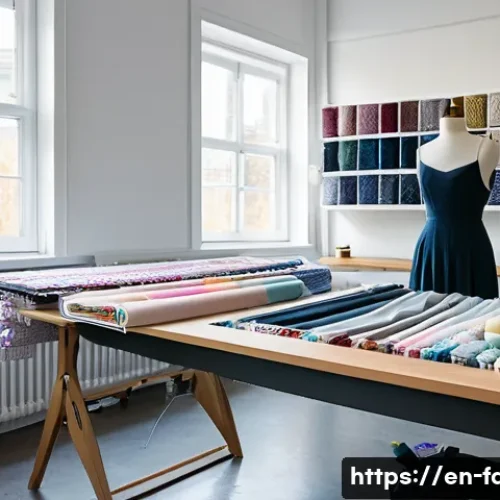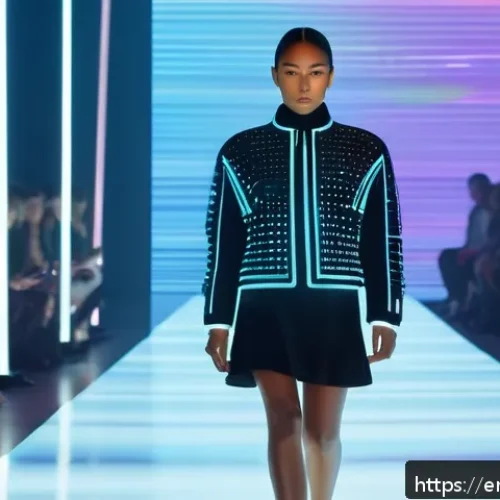
Starting a fashion design startup is an exhilarating journey filled with creativity, challenges, and invaluable lessons. From sketching your first collection to navigating the complexities of branding and production, each step shapes your unique path.

I’ve been through the highs and lows of building a brand from scratch, learning what truly works in this fast-paced industry. The fashion world demands not just talent but savvy business sense to thrive.
If you’re curious about how to turn your design dreams into reality and avoid common pitfalls, you’re in the right place. Let’s dive deeper and explore the essentials that can set your startup on the path to success!
Building Your Brand Identity from Scratch
Crafting a Distinctive Visual Language
Creating a memorable brand identity isn’t just about a cool logo or catchy name—it’s about weaving a story that resonates with your audience. When I first started, I underestimated the power of consistent visual elements like color palettes, typography, and mood boards.
These components are your silent ambassadors, conveying your brand’s personality without a single word. Experimenting with different styles and gathering feedback helped me zero in on what truly reflected my design philosophy.
Don’t rush this step; your visual language will be the foundation upon which customer loyalty is built.
Defining Your Target Audience with Precision
Knowing who you’re designing for is crucial, yet it’s easy to fall into the trap of trying to please everyone. Early on, I made the mistake of broad targeting, which diluted my messaging and product appeal.
By diving deep into demographics, psychographics, and even lifestyle habits, I could tailor my collections and marketing efforts effectively. Tools like social media analytics and customer surveys became invaluable for gathering real-time insights.
This focus not only sharpened my design direction but also optimized my marketing spend, allowing me to reach the right people with the right message.
Creating a Brand Voice That Speaks Authenticity
Your brand voice is the personality behind your words, whether on your website, social media, or packaging. Finding an authentic tone that matches your brand’s values took me some trial and error.
I realized that customers crave honesty and relatability—being overly formal or salesy just doesn’t cut it. Sharing behind-the-scenes stories, challenges, and even design failures made my brand feel more human and approachable.
This connection fostered a loyal community eager to support my journey, not just the products.
Mastering the Art of Product Development
From Sketches to Samples: Navigating the Design Process
Turning a concept into a tangible product involves countless iterations and decisions. I learned that patience is key—rushing from sketch to final sample often leads to overlooked flaws.
Collaborating closely with skilled pattern makers and sample makers can make a huge difference. Their insights on fabric behavior and construction techniques helped refine my designs beyond what I initially imagined.
Keeping detailed notes and photos during this phase proved invaluable for future reference and scaling production.
Sourcing Fabrics and Materials Without Breaking the Bank
Finding the right materials at the right price point was one of the biggest hurdles I faced. Initially, I ordered small swatches from multiple suppliers, which helped me evaluate texture, durability, and color accuracy firsthand.
I also tapped into local textile markets and online wholesale platforms to balance quality and cost. Building relationships with suppliers paid off in better deals and priority access to new materials.
I recommend budgeting extra time for this stage, as fabric choice profoundly impacts the final product’s look and customer satisfaction.
Balancing Quality and Cost in Manufacturing
Deciding where and how to produce your garments can make or break your startup. I started with small local manufacturers, which allowed me to oversee quality closely but came with higher costs.
Later, I explored overseas options to scale production affordably, but that introduced challenges like longer lead times and communication barriers. Setting clear quality standards and maintaining open communication channels with manufacturers was essential.
I found that investing in a trusted production partner who understood my brand values ensured consistency and helped avoid costly mistakes.
Effective Marketing Strategies for Emerging Fashion Brands
Leveraging Social Media to Build a Community
Social media isn’t just a promotional tool—it’s a platform for storytelling and engagement. I used Instagram and TikTok to showcase not only my designs but the creative process, inspirations, and even day-to-day struggles.
This transparency attracted followers who felt personally connected to my brand. Consistent posting, interactive stories, and collaborations with micro-influencers boosted my visibility organically.
Remember, genuine engagement outperforms aggressive selling; respond to comments, ask questions, and foster conversations.
Utilizing Email Marketing to Nurture Leads
Email marketing often gets overlooked by startups, but it’s a powerful channel for converting casual visitors into loyal customers. I built my email list through website sign-ups and social media incentives, offering exclusive previews and discounts.
Personalized emails with storytelling elements about new collections or the brand journey kept subscribers interested. The key was to avoid spamming—sending thoughtful, relevant content that made recipients look forward to my messages.
Over time, this nurtured a loyal base that consistently supported new launches.
Collaborating with Influencers and Industry Partners
Partnering with influencers who genuinely aligned with my brand aesthetic brought authenticity and extended reach. Instead of chasing large influencers, I focused on niche creators whose audiences matched my target customers.
These collaborations often resulted in higher engagement and conversion rates. Additionally, working with local boutiques and participating in pop-up events helped me establish credibility and connect with customers face-to-face.
These relationships opened doors to new opportunities and valuable feedback.
Financial Planning and Sustainability in Fashion Startups
Budgeting for Design, Production, and Marketing
Setting a realistic budget was one of the toughest lessons. Early enthusiasm can lead to overspending on materials or marketing without immediate returns.
I created detailed spreadsheets tracking every expense and projected income, which helped me prioritize spending wisely. For example, allocating more to product development than flashy ads ensured the quality was top-notch before pushing sales.
Regularly reviewing and adjusting the budget based on actual performance kept the business financially healthy during growth phases.
Pricing Your Products for Profit and Market Fit

Finding the sweet spot between affordability and profitability took trial and error. Initially, I priced my pieces too low to attract customers but quickly realized this undervalued my work and hurt margins.
Researching competitors and factoring in all costs—including overhead and marketing—helped me set prices that reflected the true value. Offering tiered pricing with entry-level items alongside premium pieces also broadened my customer base.
Transparent communication about quality justified higher prices and cultivated respect for the brand.
Exploring Sustainable Practices Without Compromise
Sustainability isn’t just a trend—it’s a responsibility that customers increasingly expect. I integrated eco-friendly materials and ethical production methods where possible, which sometimes increased costs but resonated with my audience.
Small changes like minimizing packaging or working with local artisans made a noticeable impact. I found that being upfront about sustainability efforts, even if imperfect, built trust and differentiated my brand.
It’s about progress, not perfection, and customers appreciate brands committed to making a difference.
Building a Strong Online Presence and Sales Channels
Designing a User-Friendly E-commerce Website
Your website is your digital storefront, and first impressions count. I invested time in creating a clean, intuitive design with high-quality images and detailed product descriptions.
Mobile optimization was crucial since a significant portion of traffic came from smartphones. Integrating secure payment gateways and clear return policies reduced customer hesitation.
Regularly updating the site with new content like lookbooks and blog posts kept visitors engaged and improved SEO rankings.
Utilizing Marketplaces and Pop-up Shops
While having your own site is vital, diversifying sales channels can boost exposure. I listed products on popular marketplaces like Etsy and ASOS Marketplace, which introduced my brand to wider audiences.
Participating in pop-up shops and local fashion events provided invaluable in-person customer interactions and immediate feedback. These experiences helped me test new products and build brand awareness in different markets.
A multi-channel approach balances risk and maximizes growth opportunities.
Implementing Customer Service That Builds Loyalty
Exceptional customer service turned first-time buyers into repeat customers. Prompt responses, personalized thank-you notes, and hassle-free returns made a big difference.
I also encouraged reviews and testimonials, which boosted credibility and influenced potential buyers. Addressing issues transparently and going the extra mile for customers fostered a positive reputation.
Remember, loyal customers often become brand ambassadors, sharing their experiences and driving organic growth.
Key Metrics and Tools to Track Your Progress
Identifying Critical Performance Indicators
Understanding which metrics matter can feel overwhelming, but focusing on a few key indicators helps keep your startup on track. I monitored website traffic, conversion rates, average order value, and customer acquisition cost closely.
These numbers revealed what was working and where improvements were needed. For instance, a high bounce rate signaled issues with site usability, while low repeat purchase rates indicated a need to improve customer retention strategies.
Using Analytics Tools to Inform Decisions
I leveraged tools like Google Analytics, Facebook Insights, and Shopify reports to gather data-driven insights. These platforms provided detailed breakdowns of audience behavior, traffic sources, and sales trends.
Setting up custom dashboards made it easy to track progress at a glance. Regularly reviewing this data allowed me to pivot strategies quickly, whether that meant tweaking ad campaigns or refining product offerings.
Data isn’t just numbers—it’s a roadmap guiding smarter business moves.
Benchmarking Against Industry Standards
Comparing your performance with industry benchmarks provides context and motivation. I researched average conversion rates, customer acquisition costs, and pricing models within the fashion startup space.
This helped me set realistic goals and avoid reinventing the wheel. Industry reports and networking with other founders offered valuable perspectives on market trends and best practices.
Keeping a pulse on competitors ensures you stay relevant and competitive.
| Aspect | Common Challenges | Effective Strategies | Tools/Resources |
|---|---|---|---|
| Brand Identity | Inconsistent visuals, unclear target audience | Develop mood boards, conduct audience research | Canva, Instagram Analytics |
| Product Development | Poor fabric quality, miscommunication with manufacturers | Order swatches, build supplier relationships | Local textile markets, Alibaba |
| Marketing | Low engagement, wasted ad spend | Authentic storytelling, micro-influencer collaborations | Facebook Ads Manager, Mailchimp |
| Financials | Overspending, incorrect pricing | Detailed budgeting, competitive pricing analysis | Excel, QuickBooks |
| Sales Channels | Limited reach, poor user experience | Multi-channel selling, mobile-optimized website | Shopify, Etsy |
| Performance Tracking | Data overload, ignoring metrics | Focus on KPIs, regular analytics review | Google Analytics, Shopify Reports |
글을 마치며
Building a successful fashion brand from scratch requires dedication, thoughtful planning, and continuous learning. From crafting a unique brand identity to mastering product development and marketing, every step shapes your brand’s future. Embracing challenges as opportunities to grow helped me stay resilient and focused. Remember, authenticity and connection with your audience are the keys to lasting success.
알아두면 쓸모 있는 정보
1. Consistency in your brand’s visual elements strengthens recognition and builds trust over time.
2. Deep understanding of your target audience allows for tailored marketing that truly resonates.
3. Authentic storytelling fosters a loyal community that supports your brand beyond just purchases.
4. Balancing quality and cost in manufacturing helps maintain brand integrity while scaling.
5. Regularly tracking key metrics ensures informed decisions and steady growth.
중요 사항 정리
Establish a clear and consistent brand identity that reflects your values and connects with your target customers. Prioritize product quality by collaborating closely with manufacturers and carefully selecting materials. Implement authentic marketing strategies focused on engagement rather than aggressive sales tactics. Maintain disciplined financial planning to avoid overspending and price products appropriately. Finally, leverage data analytics to continuously refine your approach and stay competitive in the evolving fashion market.
Frequently Asked Questions (FAQ) 📖
Q: How do I start a fashion design startup with little to no business experience?
A: Starting a fashion design startup without a strong business background can feel overwhelming, but it’s absolutely doable. I recommend beginning with thorough research—understand your target market, competitors, and the basics of running a business like budgeting and marketing.
It’s crucial to build a support network of mentors or industry professionals who can guide you through unfamiliar territory. Also, consider taking short courses on entrepreneurship or fashion business management.
Personally, when I launched my first collection, I leaned heavily on learning from others and gradually applied business principles alongside my creative process.
Balancing creativity with business savvy is key to turning your passion into a sustainable brand.
Q: What are the most common mistakes new fashion startups make, and how can I avoid them?
A: One of the biggest mistakes I’ve seen—and experienced—is rushing into production without validating demand. It’s tempting to jump straight to making your designs, but without knowing if there’s a market for them, you risk overstock and financial strain.
Another pitfall is underestimating branding and marketing; a great product won’t sell itself. From my experience, investing time in building a strong, authentic brand story and engaging with your audience early on made a significant difference.
Also, watch out for poor financial planning—track every expense and plan for unexpected costs. Avoid these by starting small, testing your designs through pre-orders or limited runs, and prioritizing clear, consistent branding.
Q: How can I effectively balance creativity and the business side of my fashion startup?
A: Balancing creativity and business is a constant dance, and it took me a while to find my rhythm. What worked best was setting dedicated time blocks—some for pure design and others strictly for business tasks like budgeting, marketing, and operations.
This separation helped me stay focused without one side overwhelming the other. Also, don’t hesitate to delegate or collaborate; hiring or partnering with someone who excels in business allows you to focus on your creative strengths.
Remember, your unique designs are your brand’s heart, but solid business practices keep it alive and growing. Embrace both aspects as equally important parts of your journey.