Keeping a detailed fashion design practice notebook is more than just jotting down ideas—it’s a creative diary that tracks your growth and sparks innovation.

From sketching initial concepts to noting fabric choices and construction techniques, this habit sharpens your skills and keeps your projects organized.
Whether you’re a student or a professional, a well-maintained notebook becomes an invaluable resource for reflection and future inspiration. Plus, it helps you communicate your vision clearly when collaborating with others.
Curious about how to create an effective and inspiring fashion design notebook? Let’s dive deeper and explore the best methods to master this essential tool!
Organizing Your Fashion Ideas for Maximum Clarity
Establishing a Consistent Layout
Keeping your notebook visually consistent is a game-changer. When you open a page and immediately understand the flow—whether it’s sketches, fabric swatches, or notes on stitching techniques—it saves you mental energy and helps keep your creativity focused.
I usually divide each page into sections: top for rough sketches, middle for fabric details, and bottom for construction notes. This simple framework reduces chaos and makes referencing past ideas a breeze.
Over time, this habit turns your notebook into a well-structured archive that anyone, including future collaborators, can easily follow.
Incorporating Visual and Textual Elements
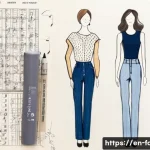
A notebook filled with only sketches or just notes won’t serve you well. The magic happens when you combine both visuals and text thoughtfully. For example, adding annotations about why you chose a certain fabric or how a seam should be executed adds depth to your sketches.
I’ve found that capturing the “why” behind design choices helps me revisit my thought process months later. Don’t shy away from adding color swatches, texture samples, or even photos of inspiration.
These tactile elements elevate your notebook beyond a simple diary—it becomes a multidimensional creative tool.
Utilizing Digital and Analog Tools Together
I’m a big fan of blending paper notebooks with digital apps. Sometimes sketching by hand sparks more spontaneous creativity, but digital tools allow for easy edits and sharing.
Scanning pages and organizing them into folders on your computer or cloud storage ensures your ideas are backed up and accessible anywhere. Plus, apps let you add layers, annotations, and even mood boards linked to each project.
This hybrid approach has personally helped me stay organized while keeping my creative process fluid and adaptable.
Capturing Fabric and Material Details Effectively
Creating a Fabric Swatch Library
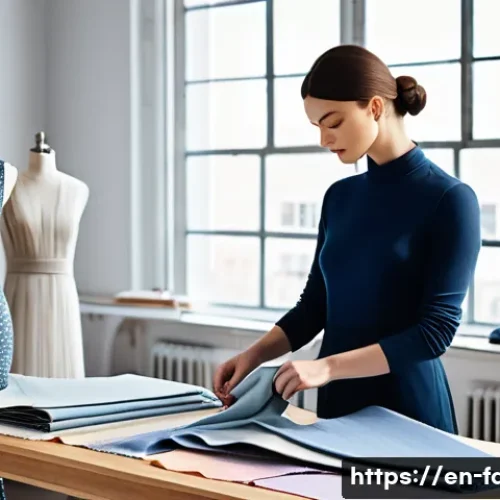
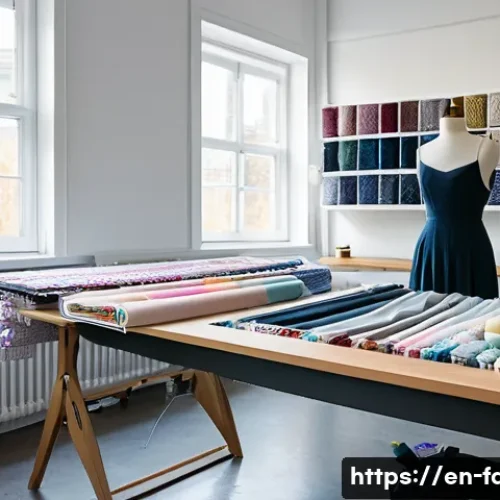
Keeping physical fabric samples attached to your notes is invaluable. When I first started, I underestimated how crucial it is to touch and feel the material alongside design notes.
Now, I always staple or glue tiny swatches next to sketches, making it easy to remember texture, weight, and drape. This practice not only helps during production but also sharpens your fabric intuition over time.
You’ll start recognizing which fabrics work best for certain silhouettes just by revisiting your swatch library.
Detailed Notes on Fabric Properties
It’s not enough to just note “cotton” or “silk.” The subtle differences—like weave type, stretch factor, or care instructions—can drastically affect your design.
I jot down details such as “lightweight, breathable cotton poplin” or “silk charmeuse with high sheen and fluid drape.” This specificity has saved me from costly mistakes during prototyping and communicates clearly with suppliers and tailors.
Plus, it adds a layer of professionalism when you present your ideas to clients or team members.
Tracking Fabric Sources and Costs
Budget management is a critical but often overlooked part of design. I keep a section to log where I sourced each fabric, the price per yard, and minimum order requirements.
This information is crucial when planning multiple projects or collections. Over time, I’ve noticed patterns—certain vendors offer better deals for bulk orders or faster shipping.
Having this info at my fingertips helps me make smart purchasing decisions without scrambling for receipts or emails.
Developing and Refining Sketching Skills
Practicing Quick Gesture Sketches
One of the best ways I sharpened my design eye was by committing to quick gesture sketches daily. These rapid drawings capture the essence of a pose or silhouette without getting bogged down in details.
They boost confidence and help focus on overall proportions and movement. I usually set a timer for five minutes and sketch models in various poses from fashion magazines or online videos.
This exercise makes my finished sketches more dynamic and natural-looking.
Exploring Different Drawing Mediums
Experimenting with pencils, pens, markers, and even digital styluses has helped me discover what best suits different design phases. For rough concepts, I prefer pencil for its erasability and softness.
When finalizing a look, I use markers to emphasize lines and shadows. Recently, I started incorporating watercolor washes to hint at fabric texture and color.
This variety keeps the creative process fresh and allows me to express nuances that a single medium might miss.
Using Reference Images to Enhance Accuracy
No one expects you to create flawless anatomy or drapery from memory, especially when starting out. I keep a folder of reference photos—from runway shots to street style—that I revisit while sketching.
This habit grounds my designs in reality and improves my understanding of how fabric behaves on different body types. Over time, referencing real images has made my sketches more believable and easier to translate into wearable garments.
Documenting Construction Techniques and Challenges
Step-by-Step Process Notes
Writing down each step of how a garment is put together has been a lifesaver for me, especially when revisiting complex designs months later. I detail everything from seam types and stitch lengths to special finishes like topstitching or lining placement.
This record not only aids my own workflow but also serves as a guide for assistants or manufacturers. I’ve noticed that these notes reduce errors and speed up production significantly.
Highlighting Problem Areas and Solutions
Every project comes with its headaches, whether it’s fabric puckering or unexpected fit issues. I make it a point to note these challenges alongside how I tackled them.
For instance, writing “added interfacing to collar to prevent curling” or “adjusted side seams for better fit” helps me learn from mistakes and refine techniques.
This troubleshooting log builds a valuable knowledge base that evolves with each collection.
Incorporating Technical Drawings and Diagrams

Technical flats and diagrams complement sketches by providing precise construction details. I include labeled drawings showing seam placements, pattern markings, and hardware like zippers or buttons.
These visuals communicate your design intent clearly to pattern makers and production teams. Personally, I find that blending creative sketches with technical drawings bridges the gap between artistic vision and practical execution.
Leveraging Your Notebook for Collaboration and Feedback
Sharing Your Vision Clearly
A well-maintained notebook isn’t just for personal use; it’s a powerful communication tool. When working with pattern makers, fabric suppliers, or clients, sharing detailed notes and visuals ensures everyone is on the same page.
I’ve had moments where my notebook prevented costly misunderstandings simply because I documented my ideas thoroughly and presented them clearly. This transparency builds trust and smooths the collaboration process.
Inviting Constructive Criticism
Having a physical or digital notebook to review with mentors or peers opens the door for honest feedback. I often ask colleagues to go through my designs and construction notes, which sparks helpful discussions and fresh perspectives.
This practice has pushed me to refine concepts and improve problem-solving skills. Plus, seeing your progress through critiques motivates you to keep growing as a designer.
Tracking Revisions and Versions
Design is rarely linear—ideas evolve through multiple drafts and iterations. I use my notebook to track different versions of a single design, noting what worked and what didn’t.
This habit helps me avoid repeating past mistakes and preserves innovative ideas that might inspire future projects. Keeping a revision history also demonstrates professionalism and dedication, qualities highly valued in the fashion industry.
Integrating Inspiration and Trend Research
Curating a Mood Board Section
I dedicate a part of my notebook to collaging images, textures, and color palettes that inspire me. This mood board acts as a visual compass, guiding design decisions and maintaining coherence across collections.
Whether it’s photos from fashion shows, nature, or art, having these references close at hand fuels creativity on tough days. I often find that the most unexpected combinations emerge from this playful curation.
Recording Trend Observations
Keeping track of current trends and forecasting future ones is vital for staying relevant. I jot down trends I notice in streetwear, runway shows, or social media, along with my take on how they might evolve.
This ongoing research informs my design choices and helps me anticipate market demands. Plus, it positions me as a knowledgeable professional when discussing concepts with clients or brands.
Linking Inspiration to Practical Design
It’s easy to get lost in inspiration without actionable steps. I always try to connect mood board elements and trend notes directly to my design process.
For example, if a color palette excites me, I experiment with incorporating it into sketches or fabric choices. This approach turns inspiration into tangible results, bridging the gap between dreaming and doing.
Maintaining Consistency and Motivation Over Time
Setting Regular Notebook Sessions
Building the habit of daily or weekly notebook entries keeps your design momentum alive. I block out specific times in my schedule for updating sketches, notes, or research.
This routine prevents creative droughts and ensures continuous progress. Even on busy days, spending just 10 minutes jotting ideas or reflections refreshes my mind and keeps projects moving forward.
Reviewing Past Work for Growth
Every few months, I flip back through earlier pages to see how my style and skills have evolved. This reflection is incredibly motivating—it highlights improvements and reminds me of lessons learned.
Sometimes I even revisit old ideas and breathe new life into them with fresh perspectives. This ongoing dialogue with your past self deepens your creative journey.
Celebrating Small Wins
Keeping track of milestones, no matter how small, boosts confidence and morale. I make notes when a sketch turns out well, a fabric works perfectly, or a construction technique succeeds.
Recognizing these moments keeps the creative fire burning and turns your notebook into a positive space full of achievements. This mindset shift has personally helped me stay enthusiastic through challenging projects.
| Notebook Element | Purpose | Tips for Effectiveness |
|---|---|---|
| Sketches | Visualize design concepts and silhouettes | Use varied mediums; practice quick gestures and detailed drawings |
| Fabric Swatches | Document texture, weight, and color | Attach samples close to sketches; note fabric properties precisely |
| Construction Notes | Detail sewing methods and problem-solving | Write step-by-step instructions; highlight challenges and fixes |
| Technical Drawings | Communicate precise design specifications | Label seams, hardware, and pattern details clearly |
| Inspiration and Trends | Fuel creativity and market awareness | Create mood boards; track and analyze trends regularly |
| Collaboration Logs | Facilitate communication and feedback | Share notebook with team; document revisions and critiques |
글을 마치며
Organizing your fashion ideas with clarity not only streamlines your creative process but also elevates the quality of your designs. By combining consistent layouts, detailed notes, and a mix of analog and digital tools, you build a valuable resource that grows with your skills. Embracing this approach encourages collaboration, sharpens your expertise, and fuels ongoing inspiration. Ultimately, a well-maintained notebook becomes your trusted companion on the journey from concept to finished garment.
알아두면 쓸모 있는 정보
1. Consistency in your notebook layout saves time and mental effort, making it easier to track and develop your ideas over time.
2. Combining sketches with detailed annotations and fabric samples adds depth and clarity that help during production and collaboration.
3. Using both analog and digital methods gives flexibility—hand sketches spark creativity, while digital tools enable easy edits and sharing.
4. Keeping precise fabric details and sourcing information protects your budget and ensures smoother communication with suppliers.
5. Regularly reviewing past work and inviting feedback helps you grow as a designer and refine your techniques continuously.
핵심 포인트 요약
Maintain a structured and visually consistent notebook to enhance creativity and reference ease. Blend visual and textual elements for richer documentation, and leverage both paper and digital tools for flexibility. Track fabric specifics meticulously, including source and cost, to support budgeting and production. Document construction steps and challenges to improve workflow and prevent repeated errors. Use your notebook as a communication tool for collaboration and feedback, and regularly update and review your work to sustain motivation and growth.
Frequently Asked Questions (FAQ) 📖
Q: What essential elements should I include in my fashion design practice notebook?
A: A well-rounded fashion design notebook should capture more than just sketches. Start with your initial concept ideas, mood boards, and inspiration sources to set the creative tone.
Include detailed fabric swatches or notes about texture, color, and drape to understand material behavior. Document construction techniques, stitching details, and any challenges you face during the process.
Also, jot down reflections on what worked or didn’t in each design iteration. This layered approach not only sharpens your technical skills but also builds a rich archive to revisit and draw inspiration from later.
Q: How can keeping a fashion design notebook improve my creative process and productivity?
A: From personal experience, maintaining a dedicated notebook transforms scattered thoughts into structured creativity. It acts like a trusted companion that tracks your progress, helping you spot patterns in your design preferences and technical growth.
When ideas hit you unexpectedly, having a go-to place to capture them ensures nothing slips away. Over time, reviewing your notes sparks new ideas by connecting past insights with current projects.
Plus, the act of writing and sketching by hand slows down your thinking just enough to deepen your focus, which boosts overall productivity and leads to more polished results.
Q: What’s the best way to organize a fashion design notebook for easy reference and collaboration?
A: Organization is key to maximizing your notebook’s value. I recommend dividing your notebook into clear sections—concept development, fabric research, technical details, and final reflections.
Use tabs or color-coding to quickly flip to relevant parts. When collaborating, detailed annotations and clear sketches help communicate your vision effectively to team members or clients.
Digital supplements like photos or scanned swatches can also be added if you prefer a hybrid approach. The goal is to make your notebook a living document that’s both inspiring for you and informative for others involved in your design journey.