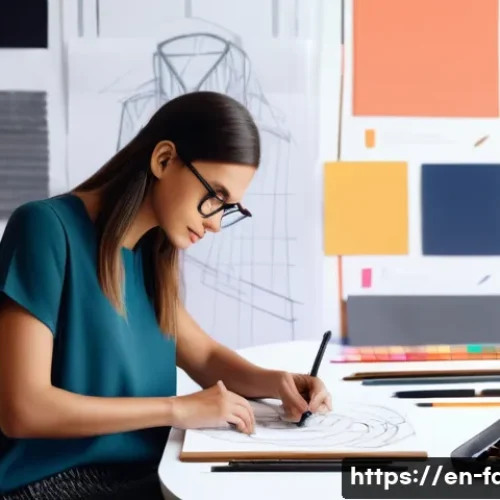
Hey there, fellow design enthusiasts! Ever found yourself dreaming of that perfect creative haven where your fashion visions can truly come alive? I totally get it.
I remember when I first embarked on my design journey, my ‘studio’ was a tiny, chaotic corner, and honestly, finding anything felt like an Olympic sport!
But here’s the thing: whether you’re a seasoned pro with years under your belt or just sketching your very first ideas, setting up an inspiring and efficient workspace isn’t just a luxury – it’s a game-changer.
Especially with all the incredible digital tools and a renewed focus on sustainable practices shaping our industry today. It’s not simply about having the right sewing machine or pattern-making tools; it’s about curating an environment that sparks joy, fuels your imagination, and makes the entire design process feel like pure magic.
Trust me, a thoughtfully arranged practical environment can dramatically elevate your creative output and make those long hours fly by. Ready to unlock the secrets to crafting your ultimate fashion design haven?
Let’s explore exactly how to set up a space that inspires brilliance!
Crafting Your Creative Sanctuary: Beyond Just a Desk

Embracing the Flow: Layout for Inspiration and Productivity
I’ve learned firsthand that the way your workspace is laid out profoundly impacts your creative flow. It’s not just about aesthetics; it’s about making every movement, every reach for a tool, feel natural and effortless.
When I first started out, my “studio” was truly a corner of my living room, and I quickly realized that a dedicated zone, even a small one, made a world of difference.
Think about your process: where do you sketch? Where do you cut? Where do you sew?
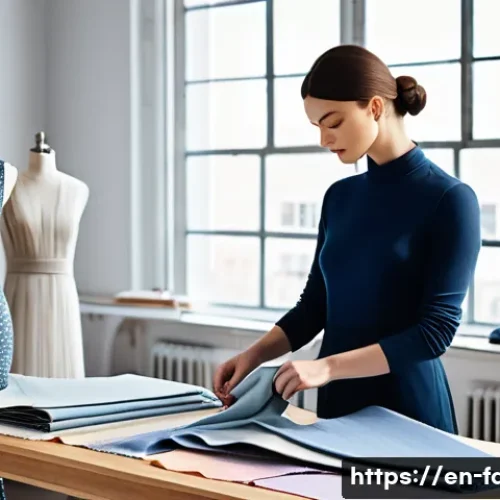
Try to create distinct areas for these tasks, even if it’s just mentally sectioning off your large cutting table for multiple uses. I personally find that having my design inspiration boards visible from my sketching area helps to keep the ideas flowing.
Consider how you move between tasks; minimizing unnecessary steps can keep your energy focused on designing rather than searching. Some designers even map out their creative rituals into spatial zones: a concept zone for brainstorming, a production zone for hands-on work, and a review zone to step back and evaluate.
This kind of thoughtful planning transforms a simple room into a dynamic ecosystem for your imagination.
Storage Savvy: Keeping Chaos at Bay
Oh, the never-ending battle with clutter! If you’re anything like me, fabrics, trims, and tools tend to multiply overnight. This is where functional storage solutions become your absolute best friends.
I’ve experimented with so many different systems, and what truly works is a mix of visible and hidden storage. Pegboards are a game-changer for frequently used items like scissors, rulers, and even spools of thread; having them out in the open makes them super accessible.
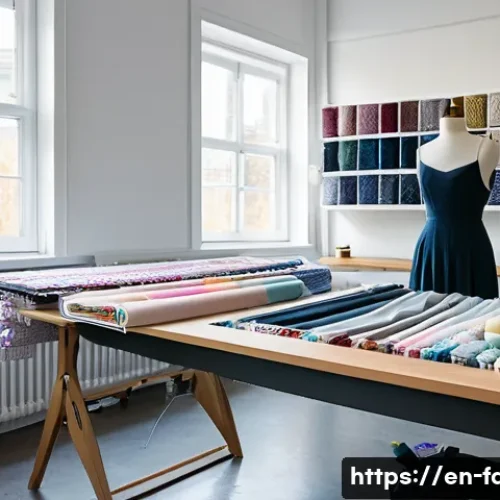
For fabrics and bulkier supplies, I lean heavily on clear storage bins. Being able to see what’s inside without rummaging through everything is a lifesaver, especially when you’re in the middle of a creative sprint and need that specific print *now*.
Shelving units, drawers, and even repurposed furniture can house your less-frequently used items, keeping them organized but out of sight. Remember, a clutter-free environment isn’t just pretty; it actively reduces stress and helps you stay focused on your projects.
I make it a point to declutter regularly – even just 15 minutes at the end of each day can prevent overwhelming mess from creeping in.
My Go-To Gear: Essential Tools for Every Fashion Visionary
The Tangible Touch: Classic Hand Tools That Still Rule
Even in our increasingly digital world, there’s something incredibly satisfying about the tactile experience of traditional tools. For me, a good pair of fabric shears feels like an extension of my hand – sharp, precise, and reserved *only* for fabric, of course!
Investing in high-quality shears, a rotary cutter with a self-healing mat, and a sturdy measuring tape is foundational. I still have the first French curve I ever bought, and it’s seen countless necklines and armholes come to life.
Pattern-making supplies like pattern paper, notchers, and awls are indispensable for bringing my 2D sketches into 3D reality. And let’s not forget the sewing machine; finding a reliable machine that fits your needs, whether it’s a basic model for samples or an industrial workhorse, is paramount.
I remember saving up for my first industrial machine, and the leap in productivity was just incredible. These aren’t just tools; they’re trusted companions on your creative journey.
Digital Dynamo: Software That Elevates Your Craft
Alright, let’s talk tech! If you’re not integrating digital tools into your design process yet, you’re missing out on a whole world of efficiency and innovation.
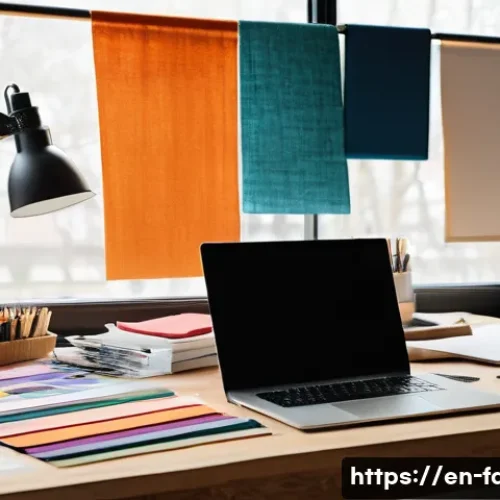
I can’t imagine my workflow without Adobe Illustrator for flat sketches and technical drawings – it’s practically the industry standard and allows for incredible precision and easy experimentation with colors and patterns.
But what’s really revolutionized things for me are 3D design software options like CLO 3D or Marvelous Designer. These platforms let you visualize garments in 3D, simulate fabric behavior, and even create virtual samples, drastically cutting down on physical prototyping and waste.
It’s like magic watching your design come to life on a virtual avatar before you even cut a single piece of fabric. Newer platforms like Style3D are even integrating AI to automate pattern adjustments and optimize fabric simulation, which is just mind-blowing!
Blender and ZBrush are fantastic for intricate digital sculpting, perfect for accessories or unique garment details. And don’t even get me started on AI-powered trend forecasting tools like Heuritech – they’re like having a crystal ball for the fashion market.
Keeping up with these digital advancements isn’t just about staying current; it’s about pushing the boundaries of what’s possible in fashion design.
Illuminating Brilliance: Lighting Your Workspace for Precision and Mood
Harnessing Natural Light & Strategic Artificial Glow
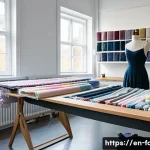
Good lighting is seriously underestimated, but it can make or break your design work. When I first moved into my current studio, the natural light was just divine, and I made sure to position my main cutting table right by the window.
Natural light is incredible for accurate color rendering, which is absolutely crucial when you’re dealing with fabrics and shades. But let’s be real, natural light isn’t always available, especially during those late-night creative bursts.
That’s where strategic artificial lighting comes in. I’ve found that layering different types of light works best: ambient lighting for overall illumination, task lighting over my sewing machine and sketching desk, and even some accent lighting to highlight my favorite mood board or fabric swatches.
Aiming for a color temperature around 5000 Kelvin helps mimic natural daylight, ensuring colors appear true to life. And a pro tip: energy-efficient LED lighting is not only good for the planet but also provides consistent color temperature and can be dimmed to suit your mood or task!
Ergonomics: Your Body’s Best Friend in the Studio
Okay, this is one I learned the hard way! Spending hours hunched over a sewing machine or sketching table can really take a toll on your body. Trust me, a bad back is *not* inspiring.
Investing in ergonomic furniture isn’t a luxury; it’s an investment in your health and longevity as a designer. My adjustable office chair with excellent lumbar support has been an absolute game-changer.
Being able to adjust the height, armrests, and back support means I can maintain good posture and avoid unnecessary strain. I’ve also found a standing desk converter incredibly useful for alternating between sitting and standing throughout the day, which helps keep the blood flowing and prevents that stagnant feeling.
Even something as simple as an ergonomic keyboard and mouse can make a huge difference for your wrists and hands. Remember, your body is your most important tool, and taking care of it means you can keep creating for years to come.
| Item | Ergonomic Feature | Why It Matters |
|---|---|---|
| Chair | Adjustable height, lumbar support, armrests | Maintains healthy posture, reduces back and neck strain. |
| Desk | Right height (or standing option), ample space | Prevents slouching, allows for comfortable working area. |
| Lighting | Layered, daylight-mimicking (5000K), adjustable | Reduces eye strain, ensures accurate color perception. |
| Tools | Comfortable grip, sharp blades (scissors) | Minimizes hand fatigue, improves precision. |
| Monitors | Adjustable height and distance | Prevents neck strain and eye fatigue, especially for digital work. |
Designing with Purpose: Integrating Sustainability into Your Studio Life
Mindful Material Choices: A Greener Palette
As designers, we have a huge responsibility to think about the impact our creations have on the planet. I’ve been increasingly focusing on sustainable practices in my own studio, starting with the very first step: material sourcing.
Choosing eco-friendly materials isn’t just a trend; it’s a commitment to a better future. I’ve started exploring organic cotton, hemp, and bamboo – they have a much lower environmental footprint compared to conventional options.
Recycled fabrics are another fantastic way to reduce waste and give new life to existing materials. It’s been a journey of learning and discovery, and I’ve found that many suppliers are now offering incredible sustainable options that don’t compromise on quality or aesthetics.
When you choose materials thoughtfully, you’re not just designing a garment; you’re designing a better impact on the world.
Zero-Waste Workflow: Smart Practices for a Lighter Footprint
Beyond just materials, how we *work* in the studio can also be incredibly sustainable. One of the biggest eye-openers for me has been diving into zero-waste pattern making.
It’s a fascinating challenge to design patterns that utilize every single inch of fabric, leaving little to no scraps. It really makes you think differently about garment construction!
Even if you can’t go fully zero-waste right away, minimizing fabric waste through efficient layout and strategic cutting makes a huge difference. I also try to incorporate upcycling into my projects whenever possible, transforming existing garments or textile waste into something new and beautiful.
It’s not only sustainable but also pushes your creativity in unexpected directions. Plus, thinking about the entire lifecycle of a garment, from design to disposal, encourages creating timeless, durable pieces that won’t end up in a landfill after a few wears.
This commitment to conscious design truly feels more fulfilling.
Building Your Dream on a Budget: Smart Studio Setup Strategies
Savvy Sourcing: Getting the Best Without Breaking the Bank
Let’s be real, setting up a full-fledged fashion studio can feel intimidatingly expensive. But guess what? It absolutely doesn’t have to be!
I started my journey on a shoestring budget, and I promise you, with a little resourcefulness, you can build an incredible workspace without draining your savings.
My top tip? Buy used whenever you can. Industrial sewing machines, dress forms, and even cutting tables can often be found pre-owned at a fraction of the cost of new.
I once found a fantastic industrial serger on a local online marketplace, and with a good tune-up, it’s still running perfectly years later. Always check multiple vendors, both online and local, to compare prices and quality.
And don’t be afraid to DIY! Repurpose old furniture, build simple shelving, or even use sturdy boxes as temporary storage. The goal is to build a studio that *works* for you, not necessarily one that’s filled with brand-new, top-of-the-line everything from day one.
Growing Your Space: From Corner to Creative Hub
Starting small is not just okay; it’s often the smartest way to begin. Many designers, myself included, started in a tiny corner of an apartment or a spare room.
The key is to be intentional with your space, no matter its size. When I had my smallest setup, I made sure every single item had a designated home, and I prioritized multi-functional furniture.
A cutting table that could also serve as a desk, for example, was a lifesaver. As your business grows and your needs evolve, you can gradually invest in better equipment and potentially a larger space.
It’s about a phased approach: start with the essentials, reinvest your profits, and slowly build your resources. I’ve found that focusing on getting clients and making sales first allows you to build capital to then invest back into your studio, getting those “dream” tools and a more dedicated space over time.
It’s a journey, not a sprint, and every step you take to optimize your creative environment, no matter how small, makes a difference.
Crafting Your Creative Sanctuary: Beyond Just a Desk
Embracing the Flow: Layout for Inspiration and Productivity
I’ve learned firsthand that the way your workspace is laid out profoundly impacts your creative flow. It’s not just about aesthetics; it’s about making every movement, every reach for a tool, feel natural and effortless.
When I first started out, my “studio” was truly a corner of my living room, and I quickly realized that a dedicated zone, even a small one, made a world of difference.
Think about your process: where do you sketch? Where do you cut? Where do you sew?
Try to create distinct areas for these tasks, even if it’s just mentally sectioning off your large cutting table for multiple uses. I personally find that having my design inspiration boards visible from my sketching area helps to keep the ideas flowing.
Consider how you move between tasks; minimizing unnecessary steps can keep your energy focused on designing rather than searching. Some designers even map out their creative rituals into spatial zones: a concept zone for brainstorming, a production zone for hands-on work, and a review zone to step back and evaluate.
This kind of thoughtful planning transforms a simple room into a dynamic ecosystem for your imagination.
Storage Savvy: Keeping Chaos at Bay

Oh, the never-ending battle with clutter! If you’re anything like me, fabrics, trims, and tools tend to multiply overnight. This is where functional storage solutions become your absolute best friends.
I’ve experimented with so many different systems, and what truly works is a mix of visible and hidden storage. Pegboards are a game-changer for frequently used items like scissors, rulers, and even spools of thread; having them out in the open makes them super accessible.
For fabrics and bulkier supplies, I lean heavily on clear storage bins. Being able to see what’s inside without rummaging through everything is a lifesaver, especially when you’re in the middle of a creative sprint and need that specific print *now*.
Shelving units, drawers, and even repurposed furniture can house your less-frequently used items, keeping them organized but out of sight. Remember, a clutter-free environment isn’t just pretty; it actively reduces stress and helps you stay focused on your projects.
I make it a point to declutter regularly – even just 15 minutes at the end of each day can prevent overwhelming mess from creeping in.
My Go-To Gear: Essential Tools for Every Fashion Visionary
The Tangible Touch: Classic Hand Tools That Still Rule
Even in our increasingly digital world, there’s something incredibly satisfying about the tactile experience of traditional tools. For me, a good pair of fabric shears feels like an extension of my hand – sharp, precise, and reserved *only* for fabric, of course!
Investing in high-quality shears, a rotary cutter with a self-healing mat, and a sturdy measuring tape is foundational. I still have the first French curve I ever bought, and it’s seen countless necklines and armholes come to life.
Pattern-making supplies like pattern paper, notchers, and awls are indispensable for bringing my 2D sketches into 3D reality. And let’s not forget the sewing machine; finding a reliable machine that fits your needs, whether it’s a basic model for samples or an industrial workhorse, is paramount.
I remember saving up for my first industrial machine, and the leap in productivity was just incredible. These aren’t just tools; they’re trusted companions on your creative journey.
Digital Dynamo: Software That Elevates Your Craft
Alright, let’s talk tech! If you’re not integrating digital tools into your design process yet, you’re missing out on a whole world of efficiency and innovation.
I can’t imagine my workflow without Adobe Illustrator for flat sketches and technical drawings – it’s practically the industry standard and allows for incredible precision and easy experimentation with colors and patterns.
But what’s really revolutionized things for me are 3D design software options like CLO 3D or Marvelous Designer. These platforms let you visualize garments in 3D, simulate fabric behavior, and even create virtual samples, drastically cutting down on physical prototyping and waste.
It’s like magic watching your design come to life on a virtual avatar before you even cut a single piece of fabric. Newer platforms like Style3D are even integrating AI to automate pattern adjustments and optimize fabric simulation, which is just mind-blowing!
Blender and ZBrush are fantastic for intricate digital sculpting, perfect for accessories or unique garment details. And don’t even get me started on AI-powered trend forecasting tools like Heuritech – they’re like having a crystal ball for the fashion market.
Keeping up with these digital advancements isn’t just about staying current; it’s about pushing the boundaries of what’s possible in fashion design.
Illuminating Brilliance: Lighting Your Workspace for Precision and Mood
Harnessing Natural Light & Strategic Artificial Glow
Good lighting is seriously underestimated, but it can make or break your design work. When I first moved into my current studio, the natural light was just divine, and I made sure to position my main cutting table right by the window.
Natural light is incredible for accurate color rendering, which is absolutely crucial when you’re dealing with fabrics and shades. But let’s be real, natural light isn’t always available, especially during those late-night creative bursts.
That’s where strategic artificial lighting comes in. I’ve found that layering different types of light works best: ambient lighting for overall illumination, task lighting over my sewing machine and sketching desk, and even some accent lighting to highlight my favorite mood board or fabric swatches.
Aiming for a color temperature around 5000 Kelvin helps mimic natural daylight, ensuring colors appear true to life. And a pro tip: energy-efficient LED lighting is not only good for the planet but also provides consistent color temperature and can be dimmed to suit your mood or task!
Ergonomics: Your Body’s Best Friend in the Studio
Okay, this is one I learned the hard way! Spending hours hunched over a sewing machine or sketching table can really take a toll on your body. Trust me, a bad back is *not* inspiring.
Investing in ergonomic furniture isn’t a luxury; it’s an investment in your health and longevity as a designer. My adjustable office chair with excellent lumbar support has been an absolute game-changer.
Being able to adjust the height, armrests, and back support means I can maintain good posture and avoid unnecessary strain. I’ve also found a standing desk converter incredibly useful for alternating between sitting and standing throughout the day, which helps keep the blood flowing and prevents that stagnant feeling.
Even something as simple as an ergonomic keyboard and mouse can make a huge difference for your wrists and hands. Remember, your body is your most important tool, and taking care of it means you can keep creating for years to come.
| Item | Ergonomic Feature | Why It Matters |
|---|---|---|
| Chair | Adjustable height, lumbar support, armrests | Maintains healthy posture, reduces back and neck strain. |
| Desk | Right height (or standing option), ample space | Prevents slouching, allows for comfortable working area. |
| Lighting | Layered, daylight-mimicking (5000K), adjustable | Reduces eye strain, ensures accurate color perception. |
| Tools | Comfortable grip, sharp blades (scissors) | Minimizes hand fatigue, improves precision. |
| Monitors | Adjustable height and distance | Prevents neck strain and eye fatigue, especially for digital work. |
Designing with Purpose: Integrating Sustainability into Your Studio Life
Mindful Material Choices: A Greener Palette
As designers, we have a huge responsibility to think about the impact our creations have on the planet. I’ve been increasingly focusing on sustainable practices in my own studio, starting with the very first step: material sourcing.
Choosing eco-friendly materials isn’t just a trend; it’s a commitment to a better future. I’ve started exploring organic cotton, hemp, and bamboo – they have a much lower environmental footprint compared to conventional options.
Recycled fabrics are another fantastic way to reduce waste and give new life to existing materials. It’s been a journey of learning and discovery, and I’ve found that many suppliers are now offering incredible sustainable options that don’t compromise on quality or aesthetics.
When you choose materials thoughtfully, you’re not just designing a garment; you’re designing a better impact on the world.
Zero-Waste Workflow: Smart Practices for a Lighter Footprint
Beyond just materials, how we *work* in the studio can also be incredibly sustainable. One of the biggest eye-openers for me has been diving into zero-waste pattern making.
It’s a fascinating challenge to design patterns that utilize every single inch of fabric, leaving little to no scraps. It really makes you think differently about garment construction!
Even if you can’t go fully zero-waste right away, minimizing fabric waste through efficient layout and strategic cutting makes a huge difference. I also try to incorporate upcycling into my projects whenever possible, transforming existing garments or textile waste into something new and beautiful.
It’s not only sustainable but also pushes your creativity in unexpected directions. Plus, thinking about the entire lifecycle of a garment, from design to disposal, encourages creating timeless, durable pieces that won’t end up in a landfill after a few wears.
This commitment to conscious design truly feels more fulfilling.
Building Your Dream on a Budget: Smart Studio Setup Strategies
Savvy Sourcing: Getting the Best Without Breaking the Bank
Let’s be real, setting up a full-fledged fashion studio can feel intimidatingly expensive. But guess what? It absolutely doesn’t have to be!
I started my journey on a shoestring budget, and I promise you, with a little resourcefulness, you can build an incredible workspace without draining your savings.
My top tip? Buy used whenever you can. Industrial sewing machines, dress forms, and even cutting tables can often be found pre-owned at a fraction of the cost of new.
I once found a fantastic industrial serger on a local online marketplace, and with a good tune-up, it’s still running perfectly years later. Always check multiple vendors, both online and local, to compare prices and quality.
And don’t be afraid to DIY! Repurpose old furniture, build simple shelving, or even use sturdy boxes as temporary storage. The goal is to build a studio that *works* for you, not necessarily one that’s filled with brand-new, top-of-the-line everything from day one.
Growing Your Space: From Corner to Creative Hub
Starting small is not just okay; it’s often the smartest way to begin. Many designers, myself included, started in a tiny corner of an apartment or a spare room.
The key is to be intentional with your space, no matter its size. When I had my smallest setup, I made sure every single item had a designated home, and I prioritized multi-functional furniture.
A cutting table that could also serve as a desk, for example, was a lifesaver. As your business grows and your needs evolve, you can gradually invest in better equipment and potentially a larger space.
It’s about a phased approach: start with the essentials, reinvest your profits, and slowly build your resources. I’ve found that focusing on getting clients and making sales first allows you to build capital to then invest back into your studio, getting those “dream” tools and a more dedicated space over time.
It’s a journey, not a sprint, and every step you take to optimize your creative environment, no matter how small, makes a difference.
Closing Thoughts
And there you have it, my friends! Crafting your ideal fashion design studio is a truly personal and incredibly rewarding journey. It’s about more than just equipment; it’s about nurturing your creativity, streamlining your process, and creating a space where innovation can truly flourish. I hope sharing my own experiences and insights has sparked some fresh ideas for your own creative haven. Remember, every stitch, every sketch, and every thoughtfully placed tool contributes to the masterpiece you’re bringing to life.
Useful Information to Know
1. Research local grants and small business loans specifically for creative entrepreneurs. Many regions offer support for emerging designers, which can help fund initial equipment or studio space. Don’t overlook these fantastic opportunities to get a leg up!
2. Join online design communities and forums! Platforms like Facebook groups for fashion designers or subreddits dedicated to sewing and pattern making are goldmines for advice, troubleshooting, and finding second-hand equipment. The collective wisdom of fellow creatives is truly invaluable.
3. Consider offering custom design services or workshops to generate additional income while you’re building your main collection. This not only diversifies your revenue streams but also helps you gain experience and connect with your local community. It’s a great way to put your studio to work!
4. Regularly back up your digital design files! Losing hours of work due to a computer crash is every designer’s nightmare. Invest in cloud storage or an external hard drive to keep all your patterns, sketches, and project files safe and sound. Trust me, future you will thank you.
5. Explore local textile recycling programs for any fabric scraps or unused materials. While aiming for zero-waste is ideal, sometimes you’ll have remnants. Knowing where to properly donate or recycle them ensures they don’t end up in a landfill, contributing to a more circular fashion economy.
Key Takeaways
At the heart of every successful fashion designer is an inspiring and functional workspace, a true sanctuary where ideas can blossom. Remember, a well-organized layout isn’t just aesthetically pleasing; it’s a strategic move to boost your productivity and minimize creative blocks. Investing wisely in both classic hand tools and cutting-edge digital software is absolutely essential for bringing your unique visions to life with precision and efficiency. My journey has shown me time and again that prioritizing ergonomic design isn’t a luxury – it’s a necessity for your long-term health and passion. And let’s not forget the planet! Embracing sustainable practices, from mindful material choices to a zero-waste workflow, not only lessens your environmental footprint but also enriches your creative process. Ultimately, building your dream studio, whether from a small corner or a sprawling space, is a journey of continuous evolution, a reflection of your dedication to craft and creativity. Keep creating, keep innovating, and let your studio be the vibrant heart of your fashion empire!
Frequently Asked Questions (FAQ) 📖
Q: I’m just starting out, and my current “studio” is more like a disaster zone! What’s the absolute best way to organize my fashion design space to keep things efficient and stop me from losing my mind (and my scissors!)?
A: Oh, believe me, I’ve been there! I remember my early days, my desk looked like a fabric explosion, and finding a specific button felt like a treasure hunt.
The key, I’ve found, is to think about your workflow and create “zones.” First off, declutter ruthlessly. Seriously, if you haven’t used it in a year, or it doesn’t spark joy (yes, Marie Kondo applies to design studios too!), it’s time to let it go.
Invest in smart storage solutions: clear bins for fabric scraps so you can actually see what you have, dedicated drawers for notions like zippers and buttons, and perhaps a rolling cart for tools you use constantly.
I swear by vertical storage too – pegboards are your best friend for hanging rulers, scissors, and even patterns. And don’t forget to give your cutting table ample space; it’s often the most used surface, so keep it clear.
When everything has a home, you’ll spend less time searching and more time creating. It truly transformed my productivity, and honestly, my sanity!
Q: With all the new digital tools and the big push for sustainability, what essential tech and practices should I be looking at to update my fashion design workspace?
A: This is such a brilliant question because the industry is constantly evolving, isn’t it? When I first started, it was all about hand sketching and paper patterns.
Now, integrating digital tools is a game-changer. I personally can’t imagine working without my graphic tablet and design software like Adobe Illustrator or CLO3D for 3D garment visualization.
It streamlines the pattern-making, allows for quick fabric simulations, and lets you experiment with designs without wasting materials – talk about sustainable!
For sustainability, consider digital mood boards and trend forecasting platforms to reduce paper waste. Also, research local fabric suppliers or companies that offer deadstock or recycled materials; having those resources at your fingertips, perhaps organized in a digital database, is incredibly efficient.
I’ve even seen some designers use smart cutting machines that optimize fabric usage. It’s all about making conscious choices that reduce your environmental footprint while enhancing your creative output.
Trust me, embracing these innovations isn’t just good for the planet; it makes your design process so much smoother and more modern.
Q: My current space feels a bit sterile and uninspiring. How can I inject more personality and creativity into my design studio so it truly feels like my own creative haven?
A: Ah, this is where the magic really happens! Your studio should be an extension of your creative soul. I remember when my space felt more like a functional workshop than a place to dream; it really impacted my motivation.
To combat this, start by thinking about colors and lighting. Natural light is a massive mood booster, so try to maximize it. For artificial light, go for warm, adjustable options.
Then, personalize it! Create a massive, dynamic mood board that isn’t just for current projects but reflects your overall aesthetic and inspirations. Pin up fabrics, textures, magazine cutouts, sketches, or even travel photos that spark joy.
I keep little trinkets and art pieces I’ve collected over the years scattered around – they’re conversation starters for my mind. Consider adding some greenery; plants bring life and a sense of calm.
Most importantly, ensure your space is comfortable. An ergonomic chair and a good layout can prevent fatigue and keep you in the flow for longer. Don’t be afraid to let your personality shine through with unique decor or even a quirky piece of furniture.
When your environment reflects who you are, the inspiration just flows naturally!