Mastering fashion design goes far beyond creativity alone. It demands a blend of technical skills, an eye for detail, and a deep understanding of market trends to truly stand out.
Whether you’re sketching new concepts, selecting fabrics, or coordinating production, each step requires precision and adaptability. In today’s fast-paced industry, staying ahead means continuously sharpening both your artistic flair and practical know-how.
Curious about the essential skills that can elevate your fashion career? Let’s dive in and explore them thoroughly!
Sharpening Your Visual Storytelling Skills
Translating Inspiration into Sketches
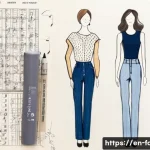
Drawing a design concept is more than just putting pencil to paper. It’s about capturing the mood, movement, and personality of the garment before it even exists.
When I first started sketching, I realized how crucial it was to develop a quick, fluid hand that could express ideas with clarity and emotion. Practicing gesture drawings and experimenting with different mediums—like charcoal or digital tablets—can drastically enhance your ability to communicate your vision effectively.
It’s also helpful to study anatomy and fabric behavior because those details make your sketches believable and relatable to both clients and manufacturers.
Color Theory and Palette Selection
Choosing the right colors isn’t random; it’s a strategic move that can make or break a collection. I’ve found that understanding color theory—how hues interact, contrast, or complement each other—is essential for creating eye-catching designs that resonate with your target market.
Seasonal trends heavily influence palette choices, but grounding your selections in psychology and cultural context adds depth. For example, earthy tones may evoke comfort and sustainability, while vibrant neon shades can signal youthfulness and energy.
Playing with textures and finishes alongside colors also creates dynamic visual interest.
Creating Mood Boards That Inspire
Mood boards are like the heartbeat of your design process. They help you gather and organize inspiration from various sources, whether it’s street style photos, vintage ads, or nature scenes.
I always start by collecting images, fabric swatches, and even music playlists that align with the story I want to tell. This practice not only fuels creativity but keeps the project cohesive from concept through production.
Digital tools like Pinterest or Adobe Spark have become invaluable for me because they allow easy collaboration and quick adjustments on the fly.
Mastering Fabric Knowledge and Material Selection
Understanding Textile Properties
Nothing compares to the hands-on experience of feeling fabrics and testing how they react to movement, light, and washing. Early in my career, I underestimated this aspect, which led to designs that looked great on paper but fell flat in real life.
Knowing the stretch, weight, drape, and breathability of different textiles helps you choose materials that complement your design’s purpose. For instance, selecting silk for a structured blazer might not work due to its softness, but it’s perfect for fluid dresses.
Visiting fabric mills or trade shows can deepen your understanding and keep you updated on innovations.
Balancing Aesthetics and Functionality
Design isn’t just about looks; it must serve the wearer’s needs. I’ve learned that integrating functionality—like pockets, adjustable straps, or weather-resistant coatings—can elevate a garment’s appeal.
It’s a balancing act between creativity and practicality. Considering the lifestyle and preferences of your audience guides material and feature choices, ensuring your designs aren’t just beautiful but also wearable and durable.
Collaborating closely with pattern makers and sample makers is crucial here, as they provide insights on what’s feasible during production.
Eco-Friendly and Sustainable Material Trends
Sustainability is no longer optional in fashion—it’s a responsibility. I started exploring organic cotton, recycled polyester, and innovative plant-based fabrics, and this opened new avenues for creative storytelling.
Using sustainable materials not only appeals to environmentally conscious consumers but also challenges you to think outside the box regarding textures and finishes.
It’s important to verify certifications and supply chain transparency to maintain authenticity. Brands that embrace sustainability often see enhanced loyalty and brand value.
Crafting Patterns and Garment Construction
From Flat Patterns to 3D Prototypes
Pattern making is like solving a puzzle where each piece must fit perfectly to bring your sketch to life. I’ve spent countless hours refining flat patterns and then moving to draping techniques on mannequins to test how designs translate into three dimensions.
This process requires patience and a sharp eye for detail because even a small miscalculation can alter the fit drastically. Learning both manual drafting and computer-aided design (CAD) tools has expanded my toolkit, making it easier to experiment and iterate quickly.
Understanding Sewing Techniques and Machinery
Knowing how garments are sewn helps you design with production realities in mind. Early on, I made the mistake of creating overly complex designs that were impossible to produce cost-effectively.
Familiarizing yourself with various stitching methods—like flat-felled seams or French seams—and the capabilities of industrial machines informs your choices.
For example, some fabrics require special needles or tension adjustments. Visiting factories or working alongside seamstresses can be eye-opening and improve communication during production.
Fit Testing and Adjustments
Perfecting fit is an art and a science. I recall how transforming a garment after multiple fittings was incredibly rewarding because that’s when the design truly starts to shine.
Fit testing involves analyzing how the fabric contours the body, identifying pressure points, and adjusting ease for comfort and aesthetics. This phase often requires several rounds of sample making and modifications, but it’s worth every effort.
Incorporating feedback from diverse body types can also ensure inclusivity and market appeal.
Decoding Market Trends and Consumer Behavior
Tracking Emerging Fashion Movements
Keeping a pulse on trends means more than just watching runway shows; it’s about understanding cultural shifts, technology influences, and social media buzz.
I regularly analyze trend reports, street style, and influencer content to spot patterns early. This proactive approach helps me design collections that feel fresh yet relevant.
Sometimes trends evolve slowly, like the rise of gender-neutral fashion, while others explode overnight, such as viral fabric prints. Staying curious and adaptable is key.
Identifying Your Target Audience
Knowing who you’re designing for shapes every decision—from silhouette to price point. I’ve found that creating detailed customer personas helps clarify preferences, pain points, and spending habits.
For example, designing for eco-conscious millennials requires a different approach than creating luxury pieces for high-end clients. Researching competitors and conducting surveys or focus groups can provide valuable insights.
Understanding consumer psychology also aids in marketing strategies and brand positioning.
Analyzing Sales Data and Feedback
Post-launch analysis is a treasure trove of information. I always review sales reports and customer reviews to learn what worked and what didn’t. This data-driven mindset has helped me refine future collections and avoid repeating mistakes.
For instance, noticing that a particular style consistently underperformed led me to rethink fit and fabric choices. Engaging directly with customers via social media or pop-up events also provides unfiltered feedback that’s priceless for continuous improvement.
Building Effective Communication and Collaboration Skills
Working Seamlessly with Cross-Functional Teams
Fashion design doesn’t happen in isolation. From sourcing and production to marketing and sales, collaboration is vital. I’ve experienced firsthand how clear communication with suppliers and manufacturers prevents costly errors and delays.
Using project management tools and regular check-ins ensures everyone stays aligned on timelines and expectations. Being open to feedback and compromise fosters a positive working environment that ultimately benefits the final product.
Presenting Your Vision Confidently
Whether pitching to buyers or explaining concepts to your team, articulating your ideas clearly is crucial. I practice storytelling techniques that link design choices to brand values and consumer benefits.
Visual aids like mood boards, tech packs, and prototypes make presentations more engaging and persuasive. Confidence comes from preparation and knowing your material inside out.
This skill also helps when negotiating contracts or pricing.
Navigating Industry Networking and Partnerships
Building relationships within the fashion community opens doors to opportunities and collaborations. Attending trade shows, fashion weeks, and industry events has helped me connect with mentors, suppliers, and potential clients.
Networking isn’t just about exchanging business cards; it’s about cultivating genuine connections and offering value. Social media platforms like LinkedIn and Instagram also serve as powerful tools for showcasing work and engaging with peers globally.
Leveraging Technology for Innovation and Efficiency
Embracing Digital Design Tools
Software like Adobe Illustrator, CLO 3D, and Photoshop have revolutionized how designs are created and visualized. I transitioned from hand-drawing to digital platforms and found it greatly improved speed and accuracy.
3D garment simulation allows you to see how fabrics move and fit without costly samples. Staying updated with software advancements keeps you competitive and opens creative possibilities that were unimaginable before.
Utilizing Data Analytics and AI
The rise of big data and AI in fashion is transforming decision-making processes. I’ve begun integrating sales forecasting and trend prediction tools to optimize inventory and reduce waste.
These technologies analyze vast datasets to identify patterns that human intuition might miss. While they don’t replace creativity, they provide a solid foundation for strategic planning and risk mitigation.
Optimizing Production with Smart Manufacturing
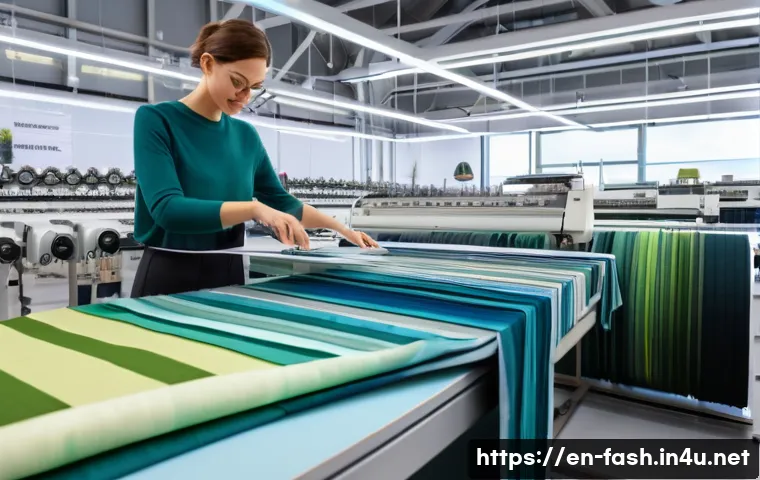
Automation and smart factories are reshaping garment production. Learning about lean manufacturing principles and supply chain digitization has helped me design collections that align with efficient production schedules.
Technologies like 3D knitting and automated cutting machines reduce turnaround times and material waste. Collaborating with tech-savvy manufacturers ensures your designs are not only innovative but also feasible and sustainable.
| Skill Area | Key Focus | Benefits |
|---|---|---|
| Visual Storytelling | Sketching, color theory, mood boards | Clear communication, cohesive designs, emotional impact |
| Fabric & Materials | Textile knowledge, sustainability, functionality | Better garment performance, eco-friendly appeal, customer satisfaction |
| Pattern & Construction | Pattern making, sewing techniques, fit testing | Accurate fit, production feasibility, quality assurance |
| Market Insight | Trend tracking, target audience, data analysis | Relevant designs, increased sales, loyal customers |
| Communication | Team collaboration, presentation, networking | Smooth workflows, stronger partnerships, business growth |
| Technology | Digital design, AI, smart manufacturing | Innovation, efficiency, reduced costs |
글을 마치며
Mastering fashion design is a journey that blends creativity, technical skills, and market awareness. Each step—from sketching to production—offers opportunities to refine your craft and bring your vision to life. Embracing innovation and sustainability further elevates your work in today’s dynamic industry. Remember, persistence and continuous learning are key to standing out and making a lasting impact.
알아두면 쓸모 있는 정보
1. Developing quick and expressive sketching skills helps convey your design ideas clearly and emotionally, making communication with clients and manufacturers smoother.
2. Understanding color theory and cultural context allows you to select palettes that not only follow trends but also connect deeply with your audience’s emotions.
3. Hands-on fabric experience is crucial; feeling textiles and testing their properties ensures your designs are both beautiful and practical in real life.
4. Tracking market trends and analyzing sales data empower you to create relevant collections that meet consumer needs and boost business success.
5. Leveraging digital tools and smart manufacturing techniques enhances efficiency, reduces waste, and opens creative possibilities previously unattainable.
중요 사항 정리
Successful fashion design requires a balanced mix of artistic vision and practical knowledge. Prioritize developing strong visual storytelling skills, a deep understanding of fabrics, and proficiency in pattern making. Stay informed about consumer behavior and market trends to keep your collections relevant. Effective communication and collaboration across teams are essential for smooth production and marketing. Finally, embracing technology and sustainability will position you ahead in an ever-evolving industry.
Frequently Asked Questions (FAQ) 📖
Q: What technical skills are essential for mastering fashion design?
A: To truly excel in fashion design, you need a solid grasp of technical skills like pattern making, sewing, and garment construction. These skills help you bring your creative ideas to life with accuracy.
Additionally, proficiency in design software such as Adobe Illustrator or CAD tools is increasingly important for creating detailed sketches and technical drawings.
Understanding fabric types and their properties also plays a critical role in selecting the right materials that complement your designs.
Q: How important is understanding market trends in fashion design?
A: Understanding market trends is absolutely crucial because fashion is a constantly evolving industry influenced by culture, technology, and consumer behavior.
Knowing what’s popular, upcoming, or fading helps designers create collections that resonate with the target audience and remain commercially viable. I’ve found that regularly researching fashion shows, street style, and social media trends keeps me ahead of the curve and helps tailor my designs to meet market demand without compromising originality.
Q: Can creativity alone guarantee success in the fashion industry?
A: Creativity is definitely the heart of fashion design, but it’s not enough on its own. Success also demands strong organizational skills, attention to detail, and the ability to manage production timelines and budgets.
For example, I once had an amazing design concept that didn’t translate well during production because I overlooked fabric limitations. Balancing artistic vision with practical execution ensures your designs are both beautiful and wearable, which ultimately leads to a stronger career in fashion.